 Pitch & Pack
Quick answer
The Naturehike CW295 is our top pick for thru hiking: it weighs just 1.3 lb, making it the lightest option. For tall hikers, the Naturehike Ultralight Down Cold Weather Sleeping Bag offers a 86.6 in length for extra legroom.
Our top picks
 Best overall
Naturehike CW295
Ultralight thru hiking
 Best for tall_camper
Naturehike Ultralight Down Cold Weather Sleeping Bag
Tall thru hikers needing length
 #3 pick
HLITMOUT Down Sleeping Bag
Hikers who want an integrated pillow
 #4 pick
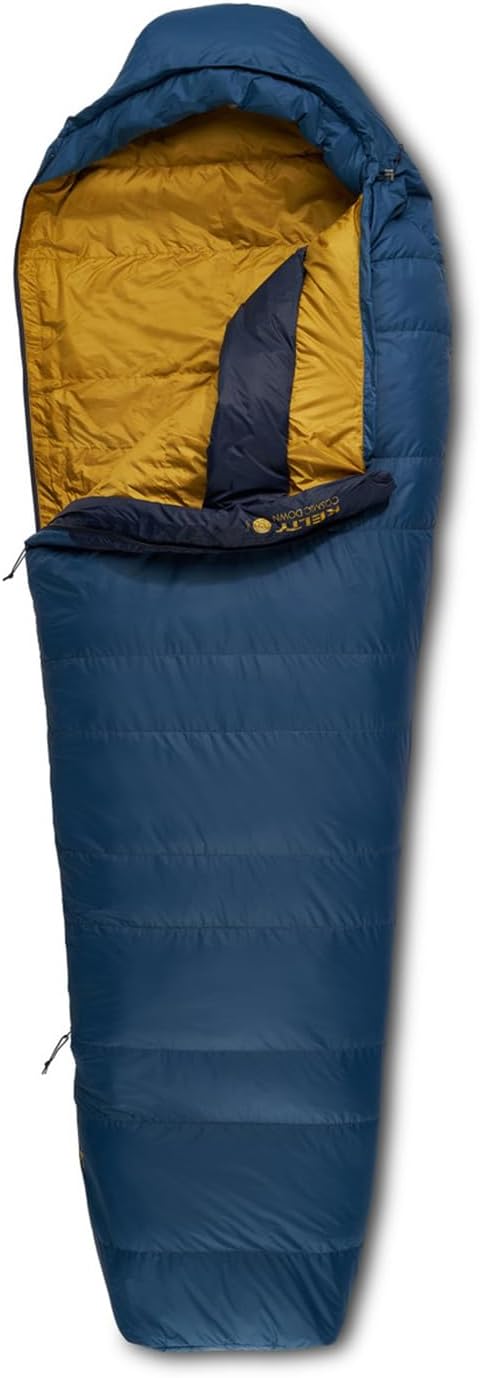
Kelty Cosmic 20
Backpackers who prefer a classic down bag
 #5 pick
NightCat Down Sleeping Bag
Budget-conscious thru hikers needing length
 #6 pick
Naturehike Ultralight Down Sleeping Bag
Thru hikers in rainy environments
 #7 pick
Naturehike 0 Degree
Cold-weather thru hiking
 #8 pick
TETON Sports TrailHead Ultralight 1022G
Wet-weather thru hiking
 #9 pick
OneTigris Bushcrafter’s Sleeping Bags
Budget-friendly 3-season use
 #10 pick
Big Agnes Anthracite BTMA20RL26
Side sleepers needing width
 #11 pick
Coleman North Rim 2205651
Winter car camping
 #12 pick
Marmot Trestles 30 23720/23520
Damp-weather backpacking
 #13 pick
TETON Sports ALTOS 1169
Short backpacking trips or car camping
On this page
If you're planning a thru hike, every ounce matters. The right sleeping bag balances weight, warmth, and packability. We compared specifications across top models to find the best options for long-distance backpacking. Whether you prioritize ultralight gear or need extra length for a tall frame, our picks are based on manufacturer specs and defined use cases. For more on packable designs, see our guide to best compressible sleeping bags.
Comparison at a glance
Key specs · full specs in each pick| Model | length | width | thickness | weight | Link |
|---|---|---|---|---|---|
|
CW295
|
74.8 in | 28.3 in | - | 1.3 lb | View on Amazon |
|
B0DG5CMQXX
|
86.6 in | 33.5 in | - | 1.95 lb | View on Amazon |
|
B0GCY899RM
|
85 in | 31.5 in | - | 2 lb | View on Amazon |
|
Kelty
|
84 in | 30 in | - | 2.8 lb | View on Amazon |
|
B0GY3GD6VS
|
84.7 in | 31.5 in | - | 2.3 lb | View on Amazon |
|
B0FG2DZ1YJ
|
- | - | - | 2 lb | View on Amazon |
|
B0DR8CYKJQ
|
86.61 in | 33.46 in | - | 2.9 lb | View on Amazon |
|
1022G
|
87 in | 32 in | - | 2.9 lb | View on Amazon |
|
B0CKVXNBCQ
|
82.6 in | 33 in | - | 3.1 lb | View on Amazon |
|
BTMA20RL26
|
72 in | 61 in | - | 2.8 lb | View on Amazon |
|
2205651
|
82 in | 32 in | - | - | View on Amazon |
|
23720/23520
|
78 in | 32 in | - | 3.33 lb | View on Amazon |
|
1169
|
84 in | 32 in | 17 in | 3.5 lb | View on Amazon |
Best for: Ultralight thru hiking
The Naturehike CW295 is the lightest sleeping bag in this comparison at 1.3 lb, making it ideal for thru hikers counting every gram. Its 74.8 in length and 28.3 in width provide a snug mummy fit that conserves heat and saves space. The 650-fill down offers good loft for three-season use. On paper, this bag is the clear choice for ultralight backpackers who want to minimize pack weight without sacrificing basic comfort.
Pros
- Lightest option at 1.3 lb
- Compact packed size for backpacking
- Down insulation for good warmth-to-weight ratio
Cons
- Short length may not suit tall hikers
- No waterproofing listed
Best for: Tall thru hikers needing length
The Naturehike Ultralight Down Cold Weather Sleeping Bag is designed for taller hikers, with a 86.6 in length and 33.5 in width that offers extra legroom. It weighs 1.95 lb, slightly more than the top pick, but adds waterproofing for damp conditions. The combination mummy-envelope shape keeps the upper body snug while allowing foot movement. This bag is a strong alternative if you need a longer fit and weather protection.
Pros
- Extra-long 86.6 in for tall campers
- Waterproof shell adds weather resistance
- Roomy lower section for comfort
Cons
- Heavier than the lightest option
- No built-in pillow
Full specifications (4)
- length
- 86.6 in
- width
- 33.5 in
- weight
- 1.95 lb
- waterproof
- Yes
Specs: Amazon listing
Best for: Hikers who want an integrated pillow
The HLITMOUT Down Sleeping Bag includes a built-in pillow, a rare convenience for thru hikers. It weighs 2 lb and measures 85 in by 31.5 in, offering ample room for most sleepers. The 680-fill down provides reliable warmth for three-season use. While not the lightest, the integrated pillow saves carrying an extra item.
Pros
- Built-in pillow saves pack space
- Good length for taller users
- Down insulation with high fill power
Cons
- Heavier than ultralight options
- No waterproofing listed
Full specifications (4)
- length
- 85 in
- width
- 31.5 in
- weight
- 2 lb
- built_in_pillow
- Yes
Specs: Amazon listing
Best for: Backpackers who prefer a classic down bag
The Kelty Cosmic 20 is a classic down mummy bag with a 84 in length and 30 in width. It weighs 2.8 lb and uses 550-fill duck down. The self-inflating construction is unusual for a sleeping bag, but the bag is designed for backpacking. It lacks a built-in pillow and waterproofing, so it's best for dry conditions.
Pros
- Trusted Kelty brand with sustainable down
- Good length for tall hikers
Cons
- Heavier than many competitors
- No waterproofing or built-in pillow
Full specifications (7)
- length
- 84 in
- width
- 30 in
- weight
- 2.8 lb
- construction_type
- self-inflating
- built_in_pump
- No
- built_in_pillow
- No
- waterproof
- No
Specs: Amazon listing
Best for: Budget-conscious thru hikers needing length
The NightCat Down Sleeping Bag offers a 84.7 in length and 31.5 in width with a weight of 2.3 lb. The 600-fill down provides decent insulation for three-season use. It's a straightforward mummy bag without extra features, making it a solid mid-weight option for hikers who need a bit more room.
Pros
- Good length for taller users
- Reasonable weight for the size
Cons
- No waterproofing listed
- No built-in pillow
Best for: Thru hikers in rainy environments
The Naturehike Ultralight Down Sleeping Bag weighs 2 lb and features a waterproof shell, making it a good choice for wet conditions. It uses 650-fill down and a combination mummy-envelope design. Length and width are not specified, so check sizing carefully. This bag suits hikers who prioritize weather protection over ultralight weight.
Pros
- Waterproof construction for damp climates
- Lightweight at 2 lb
Cons
- Length and width not specified
- No built-in pillow
Best for: Cold-weather thru hiking
The Naturehike 0 Degree is a cold-weather option with a 86.61 in length and 33.46 in width. It weighs 2.9 lb and includes waterproofing. The 650-fill down and higher fill weight provide extra warmth for lower temperatures. This bag is heavier but suitable for hikers facing colder nights.
Pros
- Extra-long and wide for comfort
- Waterproof shell
- Higher down fill for cold weather
Cons
- Heavy at 2.9 lb
- No built-in pillow
Full specifications (4)
- length
- 86.61 in
- width
- 33.46 in
- weight
- 2.9 lb
- waterproof
- Yes
Specs: Amazon listing
Best for: Wet-weather thru hiking
The TETON Sports TrailHead Ultralight 1022G uses synthetic microfiber insulation, making it a good choice for wet conditions where down loses loft. It measures 87 in by 32 in and weighs 2.9 lb. The synthetic fill dries faster and retains warmth when damp, but it's heavier than down alternatives.
Pros
- Synthetic insulation performs when wet
- Long length for tall hikers
Cons
- Heavier than down bags
- No waterproofing listed
Best for: Budget-friendly 3-season use
The OneTigris Bushcrafter’s Sleeping Bags is a 3-season mummy bag with a 82.6 in length and 33 in width. It weighs 3.1 lb and features a water-repellent polycotton shell. The synthetic fill is durable and machine-washable. This bag is a budget-friendly option for hikers who don't need ultralight gear.
Pros
- Water-repellent shell
- Wide cut for comfort
- Machine-washable
Cons
- Heavy at 3.1 lb
- No built-in pillow
Best for: Side sleepers needing width
The Big Agnes Anthracite BTMA20RL26 is a synthetic mummy bag with a 72 in length and an unusually wide 61 in width, offering generous space. It weighs 2.8 lb and uses recycled polyester insulation. The bag is designed for 3-season backpacking and compresses well. The wide cut may appeal to side sleepers.
Pros
- Very wide for extra comfort
- Sustainable recycled materials
- Good compressibility for synthetic
Cons
- Short length may not suit tall hikers
- No waterproofing listed
Best for: Winter car camping
The Coleman North Rim 2205651 is a cold-weather mummy bag rated for low temperatures. It measures 82 in by 32 in and features a draft tube and adjustable hood. Weight is not specified, but it uses Coletherm hollow polyester insulation. This bag is designed for car camping or basecamp use rather than ultralight backpacking.
Pros
- Cold-weather rated for winter camping
- Draft tube and adjustable hood for warmth
Cons
- Weight not listed, likely heavy
- No waterproofing or built-in pillow
Best for: Damp-weather backpacking
The Marmot Trestles 30 23720/23520 uses SpiraFil synthetic insulation that performs well in damp conditions. It measures 78 in by 32 in and weighs 3.33 lb. The wave construction top adds warmth, while the blanket construction bottom saves weight. This bag is a solid synthetic option for three-season backpacking.
Pros
- Synthetic insulation works when wet
- Anatomical footbox for comfort
Cons
- Heavy at 3.33 lb
- No waterproofing or built-in pillow
Best for: Short backpacking trips or car camping
The TETON Sports ALTOS 1169 is a synthetic mummy bag with a 84 in length and 32 in width. It weighs 3.5 lb and has a thickness of 17 in for added insulation. The roomy footbox and shoulder area provide comfort for restless sleepers. This is the heaviest bag in the comparison, best for short trips or car camping.
Pros
- Roomy design for comfort
- Thick insulation for warmth
Cons
- Heaviest option at 3.5 lb
- No waterproofing or built-in pillow
How to choose
Weight and Packability
For thru hiking, every ounce counts. A lighter bag means less strain on your back and more energy for the trail. Look for bags that are as light as possible. Down insulation typically offers the best warmth-to-weight ratio, while synthetic bags are heavier but perform better when wet. Packed size also matters: a bag that compresses small leaves room for other gear. The Naturehike CW295 is the lightest at 1.3 lb, making it a top choice for weight-conscious hikers.
Length and Width for Fit
A sleeping bag that's too short will leave your feet exposed, while one that's too narrow can feel restrictive. Measure your height and choose a bag that's a bit longer than your height. Tall hikers should look for extra-long bags. The Naturehike Ultralight Down Cold Weather Sleeping Bag offers 86.6 in of length, ideal for taller frames. Width is also important for side sleepers: wider bags like the Big Agnes Anthracite BTMA20RL26 at 61 in provide more room to move.
Down vs. Synthetic Insulation
Down insulation is lightweight, compressible, and warm for its weight, but loses insulating power when wet. Synthetic insulation retains warmth even when damp and dries faster, but is heavier and less compressible. For thru hiking in dry climates, down is usually the better choice. In wet or humid conditions, synthetic may be more reliable. Many bags in this comparison use down, while options like the TETON Sports TrailHead Ultralight 1022G use synthetic fill for wet-weather performance.
Waterproofing and Weather Resistance
A waterproof or water-repellent shell can protect your sleeping bag from condensation, rain, and damp ground. This is especially important for thru hikers who may encounter unpredictable weather. Some bags, like the Naturehike Ultralight Down Cold Weather Sleeping Bag and Naturehike 0 Degree, list waterproofing as a feature. Others rely on a durable water repellent (DWR) finish. If you expect wet conditions, prioritize a bag with a waterproof shell or plan to use a bivy sack.
Additional Features
Small features can make a big difference on a long hike. A built-in pillow saves carrying an extra item, as seen in the HLITMOUT Down Sleeping Bag. Draft tubes and adjustable hoods help retain heat. Some bags offer zippered pockets for storing valuables. Consider which features matter most for your comfort and convenience, but remember that extra features often add weight. Prioritize the essentials for your specific trip.
Frequently asked questions
What is the best sleeping bag for thru hiking?
The best sleeping bag for thru hiking depends on your priorities. For ultralight weight, the Naturehike CW295 is the top choice at 1.3 lb. If you need extra length, the Naturehike Ultralight Down Cold Weather Sleeping Bag offers 86.6 in. Consider your climate, height, and whether you prefer down or synthetic insulation.
How much should a thru hike sleeping bag weigh?
Most thru hikers aim for an ultralight sleeping bag. Ultralight options like the Naturehike CW295 weigh as little as 1.3 lb. Heavier bags are better suited for shorter trips or car camping. Your total pack weight should guide your choice.
Should I get a down or synthetic sleeping bag for thru hiking?
Down is lighter and more compressible, making it ideal for dry climates and long-distance hikes. Synthetic insulation is heavier but retains warmth when wet, which is useful in damp conditions. Choose down for weight savings and synthetic for wet-weather reliability.
What length sleeping bag do I need for thru hiking?
Choose a sleeping bag that is longer than your height. Tall hikers should look for extra-long bags. The Naturehike Ultralight Down Cold Weather Sleeping Bag measures 86.6 in, and the TETON Sports TrailHead Ultralight 1022G offers 87 in, both suitable for taller individuals.
Are waterproof sleeping bags necessary for thru hiking?
Waterproofing is not always necessary, but it adds protection against moisture. If you expect rain or condensation, a waterproof shell like on the Naturehike Ultralight Down Cold Weather Sleeping Bag or Naturehike 0 Degree can help keep you dry. Otherwise, a water-repellent finish and a dry sack may suffice.
Bottom line
For most thru hikers, the Naturehike CW295 offers the best balance of weight and performance. Tall hikers should consider the Naturehike Ultralight Down Cold Weather Sleeping Bag for its extra length. If you need a built-in pillow, the HLITMOUT Down Sleeping Bag is a convenient choice. For wet conditions, synthetic options like the TETON Sports TrailHead Ultralight 1022G provide reliable warmth. Choose based on your specific needs and trail conditions.
Related articles
-
Best Sleeping Pad Pump
Compare the best sleeping pad pumps with built-in foot pumps and standalone pump sacks. Find the right pump for backpacking, car camping, and more.
Nov 2, 2026
-
Best Sleeping Bag and Pad Combo
Compare the best sleeping bag and pad combos for camping. Find top picks for backpacking, car camping, tall campers, and more based on specs and use cases.
Nov 2, 2026
-
Best Sleep System for Winter Camping
Find the best sleep system for winter camping. Compare modular bags, lightweight options, and heated models based on specs. Top pick for warmth and versatility.
Nov 2, 2026
-
Best Camping Cot for Heavy Person
Find the best camping cot for heavy person. Compare weight capacities, widths, and features for comfortable camping sleep. Top picks for heavy sleepers and tall campers.
Nov 2, 2026


