 Pitch & Pack
Quick answer
The best overall pick for snowshoeing is PikeTrail Trekpro, a lightweight gaiter that keeps snow out of any boot. At 1.6 oz, it adds almost no weight. For a dedicated boot, consider Baffin ZONE M006 for day hikes with its waterproof, insulated design.
Our top picks
 Best overall
PikeTrail Trekpro
Keeping snow out of any boot
 Best for day hiking
Baffin ZONE M006
Day hikes on moderate trails
 Best for fast and light
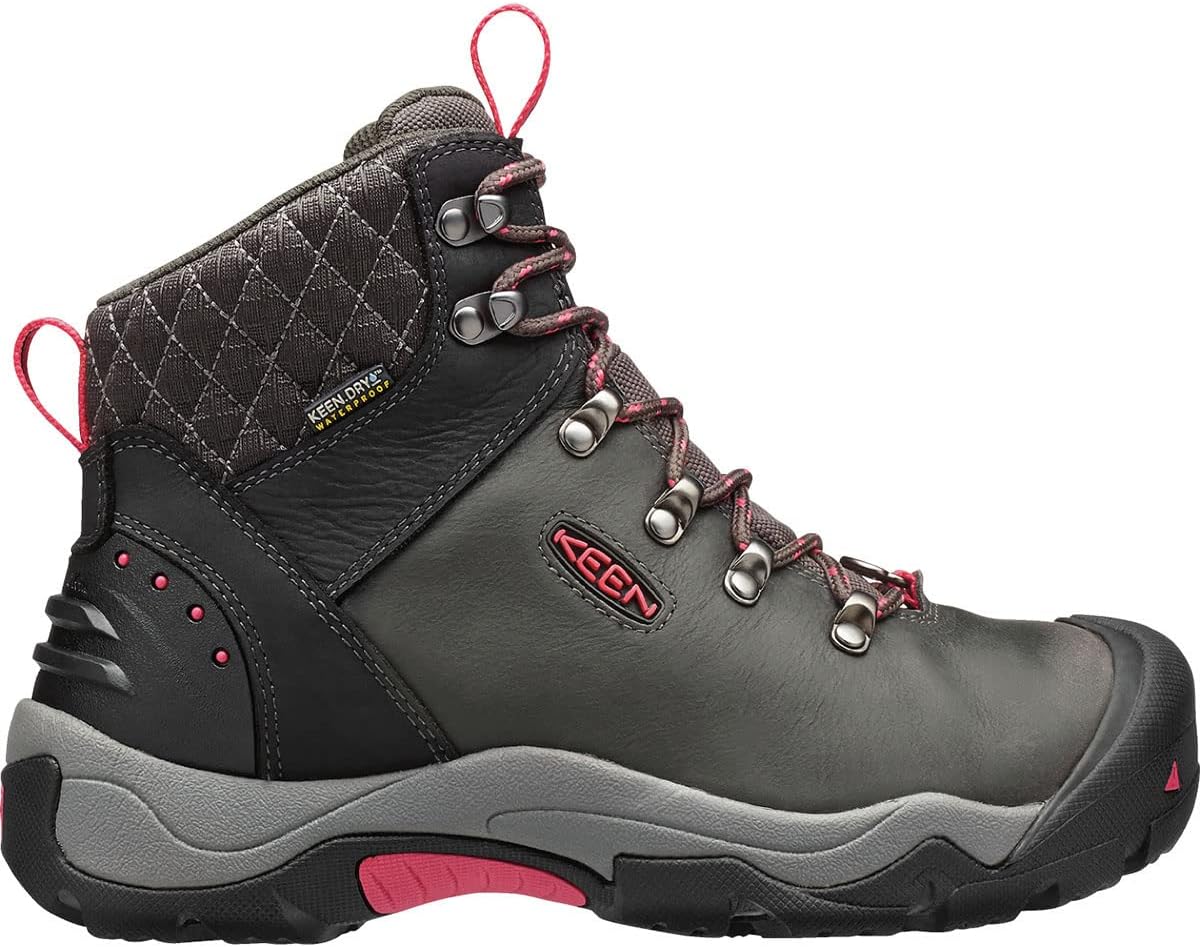
Keen Revel III 1013216
Fast-paced snowshoeing
 #4 pick
Oboz Bridger 82202
All-day winter hikes
 #5 pick
Oboz Ousel Mid Insulated B-DRY
Quick transitions and easy on/off
 #6 pick
XPETI Crest Thermo
Budget-friendly winter hiking
 Best for winter hiking
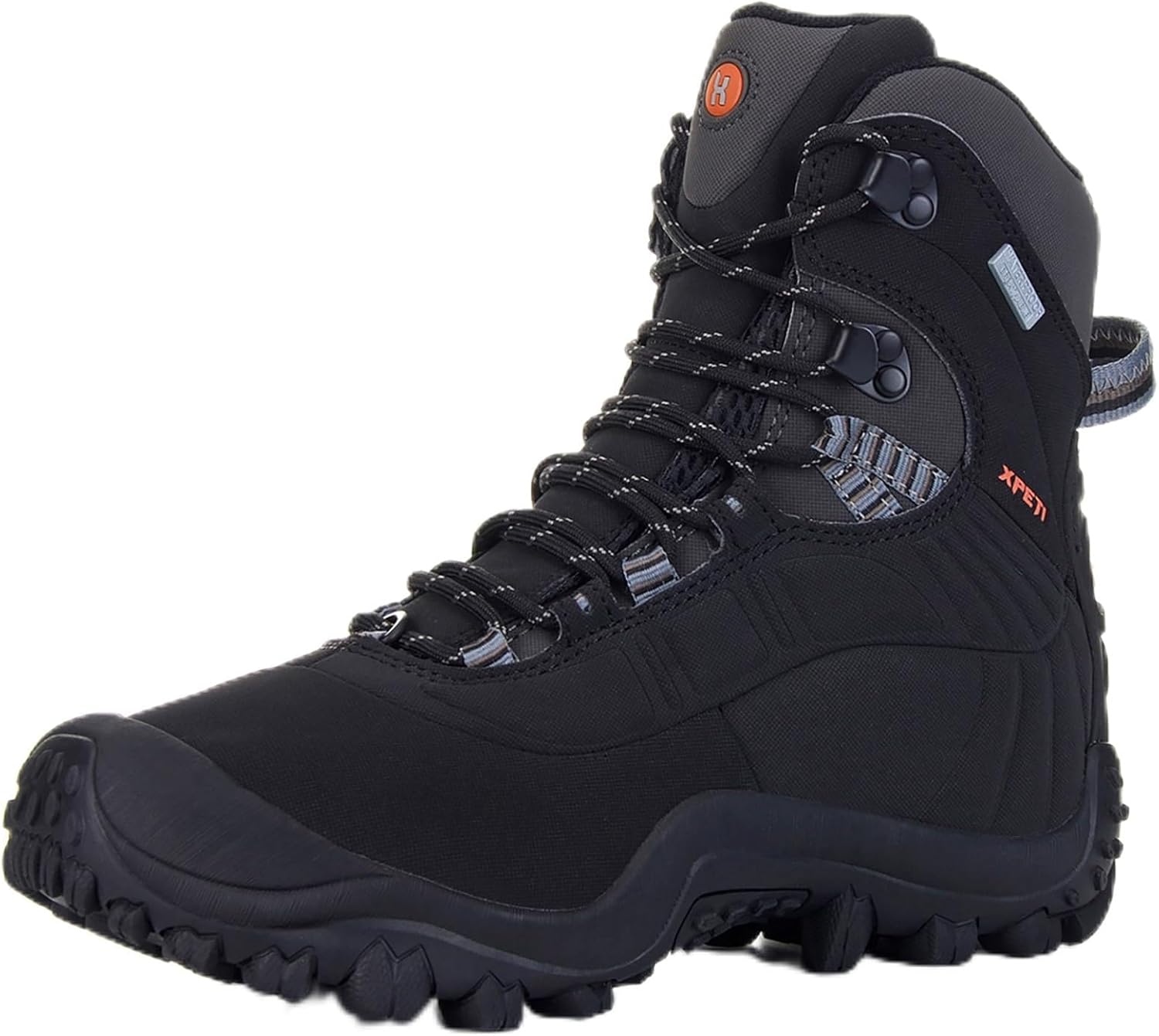
XPETI Thermator
Winter hiking in extreme cold
 #8 pick
Columbia Transverse Hike 206740
Lightweight day hikes without insulation
 #9 pick
RCORDOutdoorGear Snow Boots
Extreme cold and ice fishing
 #10 pick
Columbia Transverse Hike 207780
Women's lightweight day hikes
 #11 pick
XPETI Thermator
Women's winter hiking in cold
 #12 pick
MIFAWA Snow Boots
Casual snowshoeing and commutes
 #13 pick
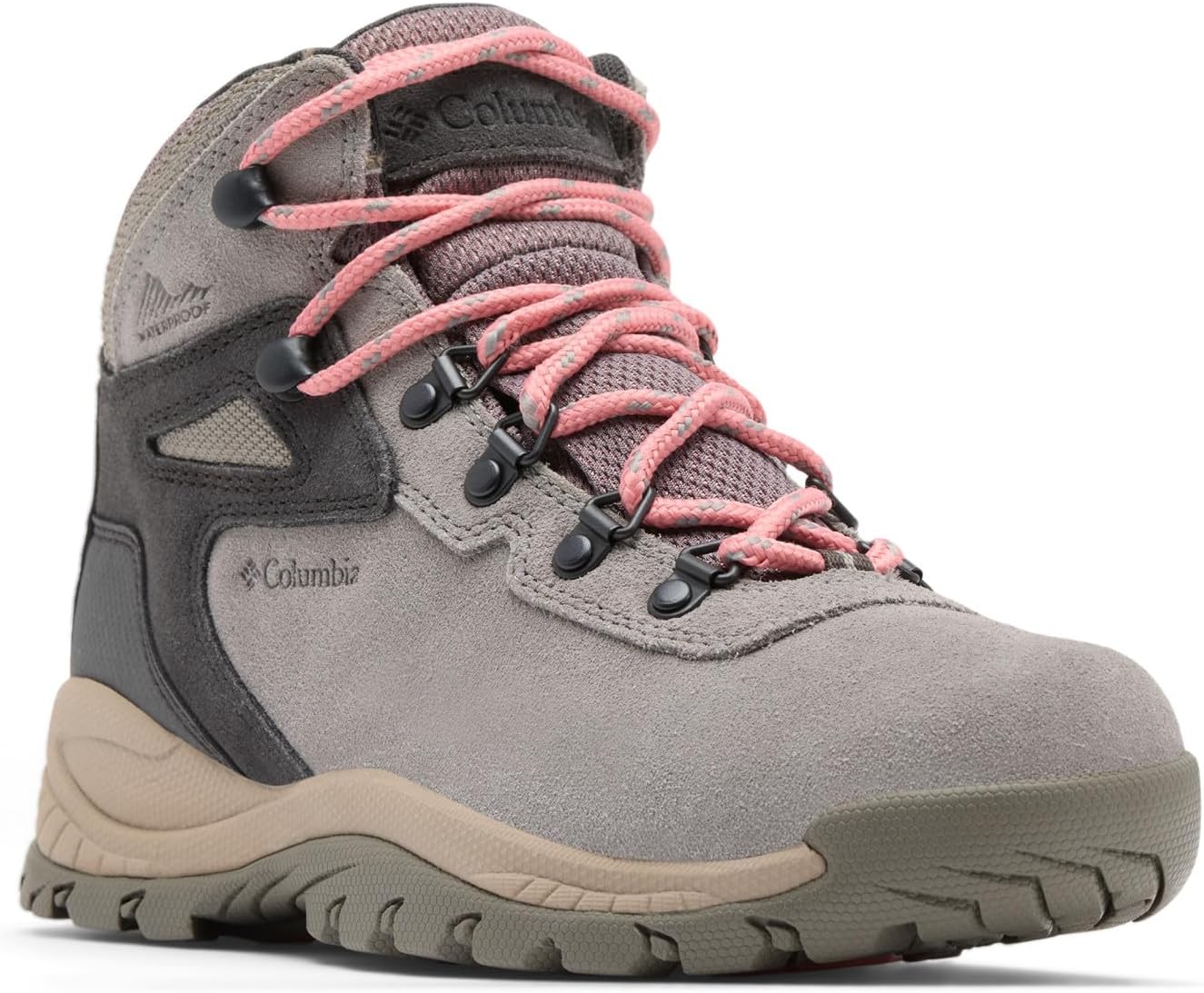
Columbia Newton Ridge Plus Waterproof Amped 1718822
Women's budget-friendly day hikes
On this page
If you snowshoe, your boots need to keep your feet warm, dry, and stable on uneven snow. The wrong pair can lead to cold toes, blisters, or slips. This guide compares the best hiking boots for snowshoeing based on published specifications and defined use cases. We looked at waterproofing, insulation, weight, and closure type to help you find the right fit for day hikes, fast-paced treks, or winter camping.
Comparison at a glance
Key specs · full specs in each pick| Model | shaft_height | upper_material | outsole_material | weight | Link |
|---|---|---|---|---|---|
|
Trekpro
|
- | synthetic | - | 1.6 oz | View on Amazon |
|
M006
|
mid | - | rubber | - | View on Amazon |
|
1013216
|
- | combination | rubber | 16 oz | View on Amazon |
|
82202
|
- | leather | rubber | - | View on Amazon |
|
Ousel Mid Insulated B-Dry
|
- | leather | rubber | - | View on Amazon |
|
B08GX3RDM4
|
- | - | rubber | - | View on Amazon |
|
B079DJKD28
|
mid | synthetic | rubber | - | View on Amazon |
|
206740
|
- | combination | rubber | - | View on Amazon |
|
B0FH618SYD
|
- | - | rubber | - | View on Amazon |
|
207780
|
- | combination | rubber | - | View on Amazon |
|
B079DLNZYR
|
- | synthetic | rubber | - | View on Amazon |
|
B0H6D6CDT1
|
- | synthetic | rubber | - | View on Amazon |
|
1718822
|
- | combination | rubber | - | View on Amazon |
Best for: Keeping snow out of any boot
PikeTrail Trekpro is a lightweight gaiter, not a boot, but it's the best overall pick because it solves the most common snowshoeing problem: snow getting into your boots. At 1.6 oz, it adds almost no weight. The waterproof ripstop nylon and reinforced 900D lower section protect against mud, rocks, and snow. Pair it with any hiking boot for a dry, comfortable snowshoe outing.
Pros
- Extremely lightweight at 1.6 oz
- Waterproof ripstop nylon
- Adjustable dual-lock closure
Cons
- Not a boot itself
- No insulation for feet
- Limited to lower-leg protection
Best for: Day hikes on moderate trails
Baffin ZONE M006 is a mid-height winter sport boot built for active days on the trail. It's waterproof and breathable, with insulation to keep your feet warm during breaks. The speed-lace closure lets you dial in the fit quickly, even with gloves on. On paper, it's a solid choice for day hikes where you need a balance of warmth and mobility.
Pros
- Waterproof and breathable
- Insulated for warmth
- Speed-lace closure for quick adjustment
Cons
- Weight not listed
- Upper material not specified
Full specifications (6)
- waterproof
- Yes
- shaft_height
- mid
- outsole_material
- rubber
- breathable
- Yes
- insulated
- Yes
- closure_type
- speed-lace
Specs: Amazon listing
Best for: Fast-paced snowshoeing
Keen Revel III 1013216 is a cold-weather hiking boot that weighs 16 oz, making it the heaviest in this lineup. But it earns its weight with a combination leather and synthetic upper, a waterproof breathable membrane, and insulation. The lace-up closure with speed hooks provides a secure fit. It's best for fast-and-light snowshoeing where you need reliable warmth without bulky layers.
Pros
- Waterproof and breathable
- Insulated for warmth
- Lace-up with speed hooks
Cons
- Heaviest boot at 16 oz
- Shaft height not listed
Full specifications (7)
- waterproof
- Yes
- upper_material
- combination
- outsole_material
- rubber
- weight
- 16 oz
- breathable
- Yes
- insulated
- Yes
- closure_type
- lace-up
Specs: Amazon listing
Best for: All-day winter hikes
Oboz Bridger 82202 is an insulated waterproof boot with a leather upper and rubber outsole. The B-DRY membrane blocks moisture while letting sweat escape, and the insulation adds warmth without bulk. It's a classic winter hiking boot that works well for snowshoeing on moderate terrain. The leather upper offers durability and some resistance to abrasion from snow crust.
Pros
- Waterproof nubuck and suede leather
- Breathable B-DRY membrane
- Insulated for warmth
Cons
- Heavier than non-insulated boots
- Shaft height not listed
Full specifications (6)
- waterproof
- Yes
- upper_material
- leather
- outsole_material
- rubber
- breathable
- Yes
- insulated
- Yes
- closure_type
- lace-up
Specs: Amazon listing
Best for: Quick transitions and easy on/off
Oboz Ousel Mid Insulated B-DRY is an insulated waterproof boot with a nubuck leather upper and a side zipper closure. The zipper makes it easy to pull on and off, which is handy when you're switching between snowshoes and boots at the trailhead. It has insulation and a breathable membrane, making it suitable for fast-and-light snowshoeing where convenience matters.
Pros
- Waterproof and breathable
- Insulated for warmth
- Side zipper for easy entry
Cons
- Shaft height not listed
- Weight not listed
Full specifications (6)
- waterproof
- Yes
- upper_material
- leather
- outsole_material
- rubber
- breathable
- Yes
- insulated
- Yes
- closure_type
- zipper
Specs: Amazon listing
Best for: Budget-friendly winter hiking
XPETI Crest Thermo is a winter snow boot with a waterproof upper, breathable lining, and insulation. The rubber outsole provides grip on snow and ice. It's a straightforward option for snowshoeing on packed trails. While some specs are missing, the available facts show it covers the basics: waterproof, insulated, and breathable.
Pros
- Waterproof and breathable
- Insulated for warmth
- Rubber outsole for traction
Cons
- Shaft height not listed
- Upper material not specified
- Weight not listed
Full specifications (5)
- waterproof
- Yes
- outsole_material
- rubber
- breathable
- Yes
- insulated
- Yes
- closure_type
- lace-up
Specs: Amazon listing
Best for: Winter hiking in extreme cold
XPETI Thermator is a mid-height waterproof hiking boot with insulation, rated for extreme cold. The synthetic upper and rubber outsole make it a durable choice for winter hiking and snowshoeing. It's designed for cold conditions where warmth is the top priority. The mid shaft helps keep snow out.
Pros
- Waterproof Hydroshield membrane
- Insulated for extreme cold
- Mid-height shaft for ankle support
Cons
- Weight not listed
- Not listed as breathable
Full specifications (5)
- waterproof
- Yes
- shaft_height
- mid
- upper_material
- synthetic
- outsole_material
- rubber
- insulated
- Yes
Specs: Amazon listing
Best for: Lightweight day hikes without insulation
Columbia Transverse Hike 206740 is a men's hiking boot with a waterproof-breathable Omni-Tech membrane and a combination leather and mesh upper. It lacks insulation, so it's best for mild winter days or high-output snowshoeing where you generate enough heat. The rubber outsole provides traction. It's a solid option for fast-and-light trips in moderate conditions.
Pros
- Waterproof and breathable Omni-Tech
- Leather and mesh upper
- Rubber outsole
Cons
- Not insulated
- Shaft height not listed
- Weight not listed
Full specifications (4)
- waterproof
- Yes
- upper_material
- combination
- outsole_material
- rubber
- breathable
- Yes
Specs: Amazon listing
Best for: Extreme cold and ice fishing
RCORDOutdoorGear Snow Boots is a men's snow boot with insulation rated for extreme cold. The waterproof construction and rubber outsole make it suitable for snowshoeing in harsh conditions. The slip-on design is convenient but may lack the secure fit of lace-up boots. It's best for short snowshoe trips or standing around in very cold weather.
Pros
- Waterproof and insulated
- Rated for extreme cold
- Slip-on design for easy use
Cons
- Shaft height not listed
- Upper material not specified
- Weight not listed
Full specifications (4)
- waterproof
- Yes
- outsole_material
- rubber
- breathable
- Yes
- insulated
- Yes
Specs: Amazon listing
Best for: Women's lightweight day hikes
Columbia Transverse Hike 207780 is the women's version of the Columbia Transverse Hike. It features the same waterproof-breathable Omni-Tech membrane and combination upper. Without insulation, it's best for mild winter snowshoeing or high-exertion outings. The rubber outsole provides reliable traction on snow and slush.
Pros
- Waterproof and breathable Omni-Tech
- Leather and mesh upper
- Rubber outsole
Cons
- Not insulated
- Shaft height not listed
- Weight not listed
Full specifications (4)
- waterproof
- Yes
- upper_material
- combination
- outsole_material
- rubber
- breathable
- Yes
Specs: Amazon listing
Best for: Women's winter hiking in cold
XPETI Thermator is a women's waterproof hiking boot with insulation for cold-weather snowshoeing. The synthetic upper and rubber outsole offer durability and traction. It's designed for winter hiking where warmth is key. The mid-height shaft helps keep snow out.
Pros
- Waterproof Hydroshield membrane
- Insulated for cold weather
- Synthetic upper and rubber outsole
Cons
- Weight not listed
- Not listed as breathable
Full specifications (4)
- waterproof
- Yes
- upper_material
- synthetic
- outsole_material
- rubber
- insulated
- Yes
Specs: Amazon listing
Best for: Casual snowshoeing and commutes
MIFAWA Snow Boots is an ankle-height snow boot with a waterproof synthetic leather upper and plush fur lining. It's more of a casual winter boot than a technical hiking boot, but it can handle light snowshoeing on packed trails. The lace-up closure provides a secure fit. It lacks insulation, so it's best for mild days or short outings.
Pros
- Waterproof synthetic leather
- Plush fur lining for comfort
- Lace-up closure for fit
Cons
- Not insulated
- Shaft height not listed
- Weight not listed
Full specifications (4)
- waterproof
- Yes
- upper_material
- synthetic
- outsole_material
- rubber
- closure_type
- lace-up
Specs: Amazon listing
Best for: Women's budget-friendly day hikes
Columbia Newton Ridge Plus Waterproof Amped 1718822 is a women's hiking boot with a waterproof seam-sealed construction and a combination leather and suede upper. It lacks insulation, so it's best for mild winter snowshoeing or high-output activities. The rubber outsole provides traction. It's a classic hiking boot that can handle light snow conditions.
Pros
- Waterproof seam-sealed construction
- Combination leather and suede upper
- Rubber outsole
Cons
- Not insulated
- Shaft height not listed
- Weight not listed
Full specifications (3)
- waterproof
- Yes
- upper_material
- combination
- outsole_material
- rubber
Specs: Amazon listing
How to choose
Waterproofing is non-negotiable
Snowshoeing means your feet will be in and out of snow all day. A boot that isn't waterproof will soak through quickly, making your feet cold and miserable. All the boots in this guide are listed as waterproof, so you can focus on other factors. Look for a sealed membrane like B-DRY or Omni-Tech that blocks moisture while letting sweat escape.
Match insulation to your activity level
Insulation keeps your feet warm when you're not moving fast. For day hikes with breaks, an insulated boot is a good balance. If you tend to run hot or plan to snowshoe at a high pace, a non-insulated boot with a thick wool sock might be more comfortable. Check the boot's breathability rating if available.
Weight affects endurance
A boot that's too heavy will tire you out quickly on long snowshoe treks. The lightest option here is PikeTrail Trekpro at 1.6 oz, though it's a gaiter rather than a boot. Among actual boots, Keen Revel III 1013216 weighs 16 oz and is a good choice for fast-and-light outings. For more support, expect a weight trade-off.
Traction on snow and ice
A rubber outsole with aggressive lugs provides traction on packed snow and icy patches. Most boots here have rubber outsoles, which is a solid baseline. If you frequently encounter hard-packed or icy trails, consider boots with a dedicated winter tread pattern. For additional grip, you can always add traction devices.
Frequently asked questions
Do I need waterproof boots for snowshoeing?
Yes, waterproofing is critical. Snowshoeing involves stepping into deep snow and slush, and wet feet can lead to cold, blistered skin. Every boot in this guide is listed as waterproof, so you can focus on other features like insulation and weight.
Is insulation necessary for snowshoeing boots?
Insulation helps keep your feet warm in cold conditions, especially when standing still or breaking trail. For mild winter days or high-output snowshoeing, a non-insulated boot with good socks may suffice. But if you snowshoe in sub-freezing temps, look for boots with insulation rated for cold weather.
What shaft height should I look for in a snowshoeing boot?
A mid-height boot is ideal. It provides enough ankle support for uneven terrain and keeps snow from spilling over the top when you posthole. A gaiter like PikeTrail Trekpro can add extra protection to a lower boot.
What type of outsole is best for snowshoeing?
A rubber outsole with deep lugs gives you grip on packed snow, ice, and frozen dirt. Many boots here have rubber outsoles, which is a good starting point. For icy conditions, consider adding traction aids like microspikes.
Bottom line
For most snowshoers, PikeTrail Trekpro is the smartest pick: it keeps snow out of any boot while adding almost no weight. If you want a dedicated boot for day trips, Baffin ZONE M006 combines insulation and waterproofing in a mid-height design. For fast-paced outings, Keen Revel III 1013216 offers a lighter, breathable build without sacrificing warmth.
Related articles
-
Best Hiking Boots Women
Find the best hiking boots for women based on specs for waterproofing, weight, and breathability. Compare top picks from NORTIV8, Merrell, KEEN, and Columbia.
Oct 29, 2026
-
Best Hiking Boots for Women Sorel
Compare the best Sorel women's hiking boots based on specs like waterproofing and insulation. Find the right pair for day hikes, backpacking, and winter trails.
Oct 29, 2026
-
Best Hiking Boots for Women Wide Feet
Find the best hiking boots for women wide feet compared by waterproofing, weight, and fit. Our picks suit day hikes, backpacking, and fast-and-light trails.
Oct 29, 2026
-
Best Hiking Boots for Ankle Support Women
Find the best hiking boots for ankle support women. Compare top picks based on waterproofing, weight, and breathability for day hikes and backpacking.
Oct 29, 2026


