Pitch & Pack
Quick answer
The FLEXTAILGEAR ZPB10000C is our top pick for backpacking. It weighs just 5.1 oz and has an ipx4 rating, making it a lightweight and durable choice. If weight is your top priority, consider the Nitecore NB10000 Gen4 at 4.94 oz.
Our top picks
 Best overall
FLEXTAILGEAR ZPB10000C
Ultralight backpacking and thru-hiking
 #2 pick
Nitecore NB Plus
Wet-weather backpacking and water sports
 Lowest weight_oz
Nitecore NB10000 Gen4
Gram-counting ultralight backpackers
 #4 pick
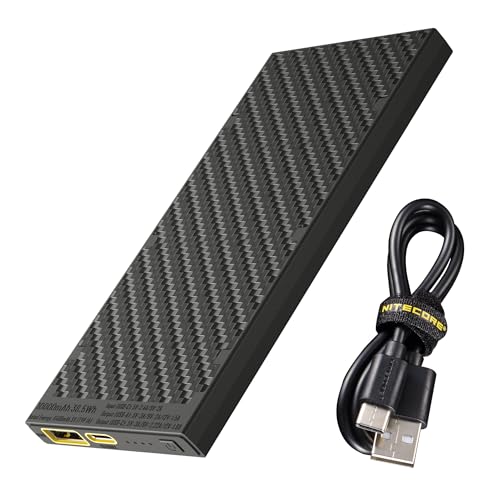
Nitecore NB10000 Gen II
Backpackers who prioritize a slim form factor
 #5 pick
BLAVOR Solar Power Bank PN-W05
Long-distance hikes with sun exposure
 #6 pick
aswayke P20
Car camping and basecamp use
 #7 pick
OHOVIV Portable Charger P5
Long expeditions with high power needs
On this page
If you're heading into the backcountry, every ounce matters. A power bank for backpacking needs to be light enough to carry for days, durable enough to handle rain and bumps, and powerful enough to keep your phone, GPS, or headlamp charged. We compared the specifications of the most popular models against these needs. Our picks are based on published specs for weight, water resistance, and capacity, so you can choose the right companion for your next trip.
Comparison at a glance
Key specs · full specs in each pick| Model | brightness_lumens | water_resistance | battery_type | weight_oz | Link |
|---|---|---|---|---|---|
|
ZPB10000C
|
- | ipx4 | built-in-rechargeable | 5.1 oz | View on Amazon |
|
NB Plus
|
- | ipx7 | built-in-rechargeable | 5.47 oz | View on Amazon |
|
NB10000 Gen4
|
- | ipx7 | - | 4.94 oz | View on Amazon |
|
NB10000
|
- | ipx5 | - | 5.29 oz | View on Amazon |
|
PN-W05
|
- | ipx5 | - | 9.3 oz | View on Amazon |
|
P20
|
420 lm | - | built-in-rechargeable | 16.48 oz | View on Amazon |
|
P5
|
- | - | built-in-rechargeable | 21.6 oz | View on Amazon |
Best for: Ultralight backpacking and thru-hiking
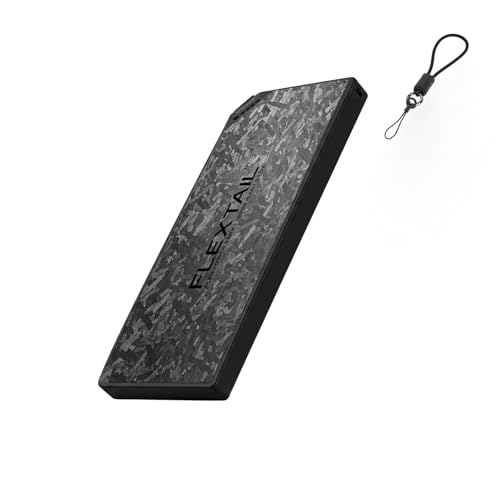
The FLEXTAILGEAR ZPB10000C is a slim, lightweight power bank built for backpackers who want fast charging without the bulk. It weighs just 5.1 oz and has an ipx4 rating, so it can handle light rain and splashes. The carbon fiber shell adds impact resistance without adding weight. Its capacity is enough to recharge a smartphone multiple times. For a balance of portability and durability, this is the best overall pick.
Pros
- Weighs only 5.1 oz
- ipx4 water resistance
- Carbon fiber shell is impact-resistant
Cons
- Built-in cable doubles as a lanyard
- Standard capacity, not higher
Full specifications (3)
- water_resistance
- ipx4
- battery_type
- built-in-rechargeable
- weight_oz
- 5.1 oz
Specs: Amazon listing
Best for: Wet-weather backpacking and water sports
The Nitecore NB Plus is a competition-grade energy bar with a built-in rechargeable battery. It weighs 5.47 oz and has an ipx7 rating, meaning it can survive submersion. This makes it a great choice for wet environments like kayaking or rainy hikes. It supports fast charging via USB-C and has both USB-A and USB-C ports for simultaneous charging.
Pros
- ipx7 waterproof rating
- Lightweight at 5.47 oz
- Dual ports for charging two devices
Cons
- Slightly heavier than the lightest option
- No built-in cable
Full specifications (3)
- water_resistance
- ipx7
- battery_type
- built-in-rechargeable
- weight_oz
- 5.47 oz
Specs: Amazon listing
Best for: Gram-counting ultralight backpackers
The Nitecore NB10000 Gen4 is the lightest power bank in our comparison at just 4.94 oz. It also has an ipx7 rating, so you don't have to worry about rain or splashes. This model features dual USB-C ports with fast charging and a lanyard that doubles as a charging cable. If shaving every gram off your pack weight is critical, this is the one to get.
Pros
- Lightest option at 4.94 oz
- ipx7 water resistance
- Dual USB-C ports with fast charging
Cons
- No battery type listed
- Standard capacity
Best for: Backpackers who prioritize a slim form factor
The Nitecore NB10000 Gen II is an ultra-slim power bank with an ipx5 rating. It weighs 5.29 oz and is designed to be smaller and thinner than most smartphones. It has dual USB and USB-C ports with fast charging and a low-current mode for delicate devices like earbuds. This is a solid middle-ground option for backpackers who want a slim profile and decent water resistance.
Pros
- Slim and compact design
- ipx5 water resistance
- Low-current mode for small devices
Cons
- Heavier than the lightest option
- No built-in cable
Best for: Long-distance hikes with sun exposure
The BLAVOR Solar Power Bank PN-W05 adds solar charging to the mix, making it a versatile option for multi-day trips where you might not have access to wall outlets. It weighs 9.3 oz and has an ipx5 rating. It also supports wireless charging and has a built-in compass and carabiner. The capacity is standard, but the solar panel can extend your runtime in sunny conditions.
Pros
- Solar charging capability
- ipx5 water resistance
- Wireless charging and built-in compass
Cons
- Heavier at 9.3 oz
- Solar charging is slow in practice
Best for: Car camping and basecamp use
The aswayke P20 is a rugged power bank with a built-in 420 lm camping lantern. It weighs 16.48 oz and is highly waterproof and drop-proof. The lantern has multiple modes including SOS and warm light. This is a multi-tool for campers who want both power and light in one device.
Pros
- Built-in 420 lm lantern with SOS
- Highly waterproof and drop-proof
- Large capacity for multiple charges
Cons
- Heavy at 16.48 oz
- No water resistance rating listed for the power bank itself
Full specifications (5)
- brightness_lumens
- 420 lm
- battery_type
- built-in-rechargeable
- weight_oz
- 16.48 oz
- mounting_type
- lantern
- sos_mode
- Yes
Specs: Amazon listing
Best for: Long expeditions with high power needs
The OHOVIV Portable Charger P5 offers a massive capacity, enough to charge a smartphone many times. It weighs 21.6 oz and supports fast charging via USB-C. It has a digital display showing remaining battery percentage. This is the best choice for extended backcountry trips where you need to power multiple devices for a week or more, but the weight is a trade-off.
Pros
- Very large capacity for extended trips
- Fast charging
- Digital display shows remaining battery
Cons
- Very heavy at 21.6 oz
- No water resistance rating listed
How to choose
Weight vs. capacity
For backpacking, weight is often the deciding factor. A lightweight power bank like the Nitecore NB10000 Gen4 at 4.94 oz is ideal for short trips where you only need to top off a phone once or twice. If you're going on a week-long trek without resupply, a higher capacity model might be worth the extra ounces. Consider how many devices you carry and how often you can recharge.
Water resistance ratings
IP ratings tell you how well a power bank handles moisture. ipx7 means it can be submerged, while ipx4 handles splashes from any direction. For backpacking in rain or near rivers, a higher IP rating is recommended. The aswayke P20 goes further with a very high rating, surviving deeper submersion and dust.
Charging speed and ports
Fast charging can cut the time it takes to recharge your phone in half. Look for USB-C Power Delivery support. Dual ports let you charge two devices at once, which is handy if you share a power bank with a partner. Some models like the Nitecore NB10000 Gen4 have two USB-C ports, while others offer a mix of USB-A and USB-C.
Special features: solar, lantern, and cables
Solar charging can be a bonus on sunny trips, but it's slow and requires direct sunlight. A built-in lantern like the aswayke P20's 420 lm light can replace a separate camping light, saving weight overall. Built-in cables or lanyard cables reduce clutter. Decide which extras are worth the added weight for your style of backpacking.
Frequently asked questions
How many mAh do I need for backpacking?
For a weekend trip, a standard capacity is usually enough to charge a smartphone two to three times. For longer trips or if you're powering a GPS, camera, and headlamp, consider a higher capacity. The OHOVIV Portable Charger P5 offers a very large capacity for extended expeditions, but it weighs 21.6 oz.
What IP rating is enough for backpacking?
For most backpacking, a rating like ipx4 is sufficient. If you expect heavy rain or river crossings, go for a higher rating like ipx7.
Can I fly with a power bank?
Yes, but there are limits. The FAA allows power banks up to a certain watt-hour limit in carry-on luggage. Most standard capacity models are fine. The OHOVIV Portable Charger P5 may exceed the limit, so check with your airline before flying.
What's the lightest power bank for backpacking?
The Nitecore NB10000 Gen4 is the lightest in our comparison at 4.94 oz. It also has an ipx7 rating and dual USB-C ports, making it a top choice for ultralight backpackers.
Do I need solar charging on a power bank?
Solar charging can extend your runtime on long sunny hikes, but it's slow and unreliable in cloudy conditions. The BLAVOR Solar Power Bank PN-W05 includes a solar panel, but it's heavier than non-solar options. For most backpackers, a standard power bank with a larger capacity is more practical.
Bottom line
For most backpackers, the FLEXTAILGEAR ZPB10000C offers the best balance of weight, durability, and fast charging. If every gram counts, the Nitecore NB10000 Gen4 is the lightest option. For wet conditions, the Nitecore NB Plus provides superior water resistance. And for long expeditions, the OHOVIV Portable Charger P5 delivers massive capacity despite its weight.
Related articles
-
Best Headlamp for Camping with Kids
Find the best headlamp for camping with kids. Compare top picks based on brightness, runtime, weight, and kid-friendly features for safe family fun.
Nov 2, 2026
-
Best Camping Lantern with Power Bank
Compare the best camping lanterns with built-in power banks. Our top pick offers 2300 lumens and a 21-hour runtime for camping and emergencies.
Nov 2, 2026
-
Best Camping Lights for Rv Awning
Find the best camping lights for your RV awning. Compare clips, LED strips, and RGB kits based on mounting, brightness, and weather resistance.
Nov 2, 2026
-
Best Power Station for Van Camping
Find the best power station for van camping based on weight, runtime, and features. Compare top picks from ZeroKor, MARBERO, and Powkey.
Nov 2, 2026