 Pitch & Pack
Quick answer
The CamelBak M.U.L.E. Pro 14 2401001000P is our top pick for most riders, with a 14 L capacity and a 0.26 lb weight that will not weigh you down. For those needing extra cargo space, the NOOLA Hydration Backpack offers a generous 22 L.
Our top picks
 Best overall
CamelBak M.U.L.E. Pro 14 2401001000P
Riders who want a lightweight, stable pack for all-day trail riding
 Top volume
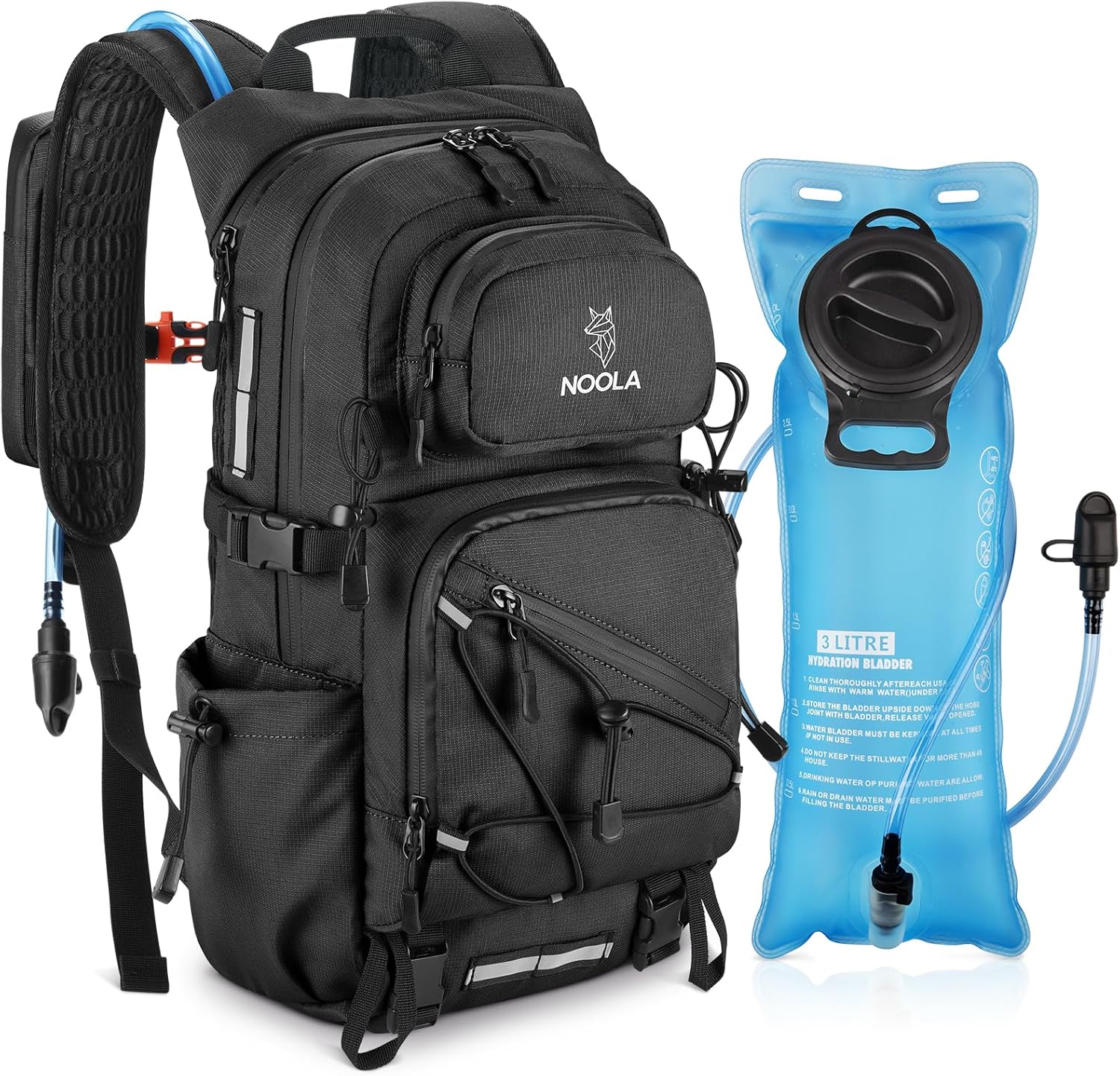
NOOLA Hydration Backpack
Hikers and bikers needing maximum storage space
 Best for multi-day backpacking
Osprey Raptor LT 12 10007259
Multi-day mountain bike trips with technical terrain
 #4 pick
N NEVO RHINO Hydration Backpack
Short, casual rides where minimal weight matters
 #5 pick
NNEVORHINO 9006
Riders who often encounter wet weather and need waterproof storage
 #6 pick
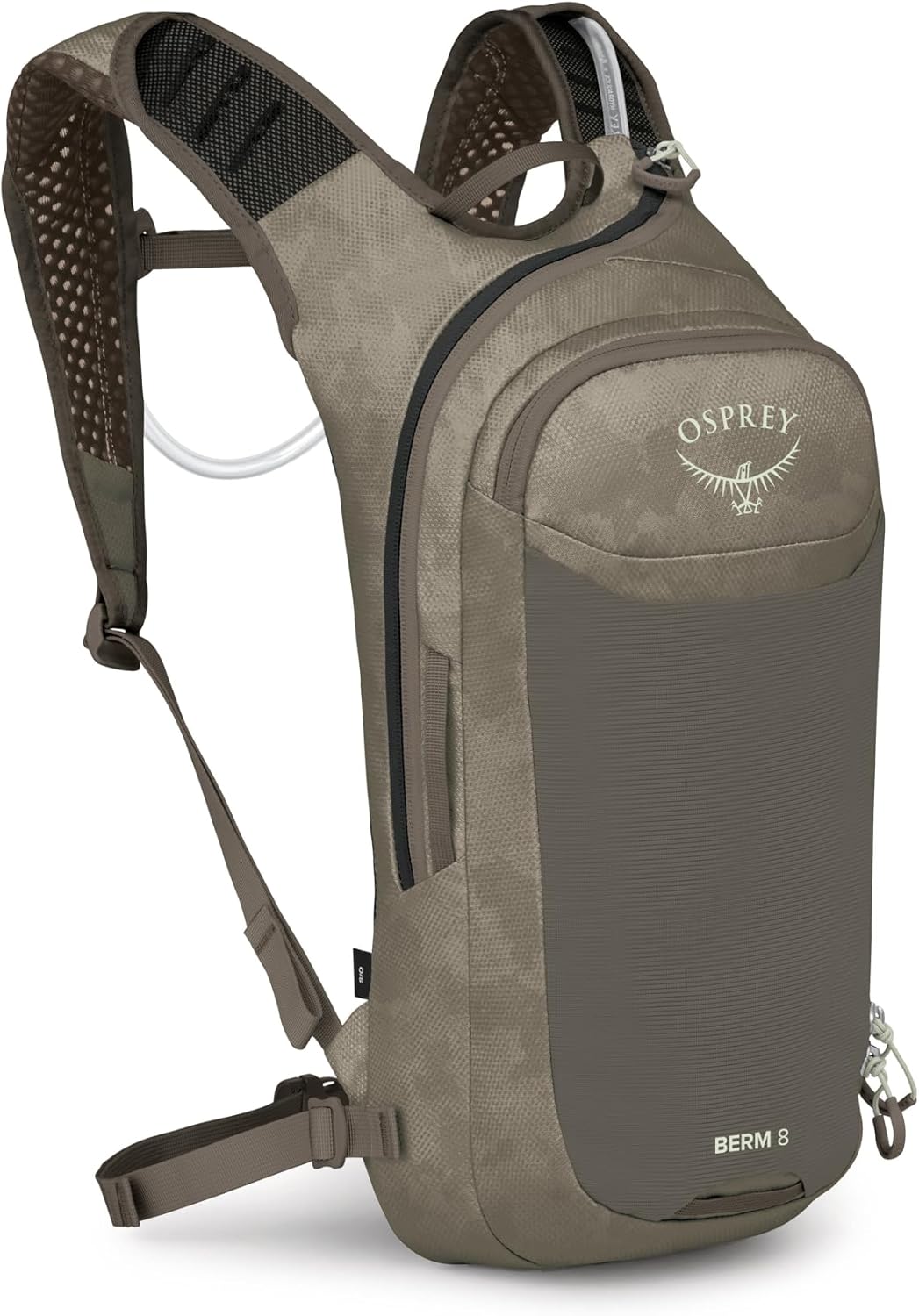
Osprey Berm 10007269
Mid-distance trail rides with a focus on ventilation
 #7 pick
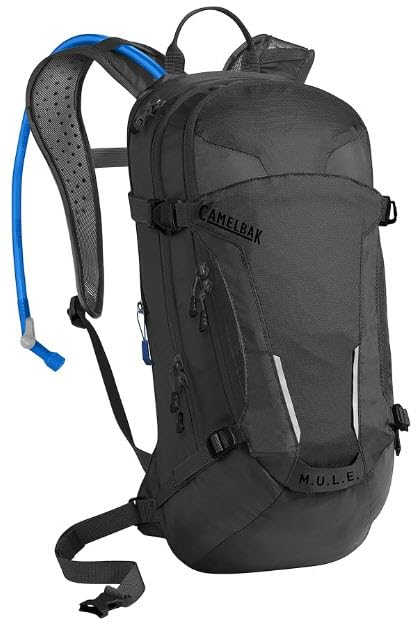
CamelBak M.U.L.E. 2245001000P
Riders who want a stable, well-ventilated pack for all-day trail riding
 #8 pick
CamelBak Chase Race 4 2947001000P
Cross-country races and fast, short rides
 #9 pick
Thule UpTake 3203804
Multi-sport use where hands-free hydration is key
 #10 pick
USWE Airborne Limited Race Edition
Aggressive trail and enduro riding where pack movement is unacceptable
 #11 pick
CamelBak M.U.L.E. 12 2654001000P
Riders who prioritize hydration and fit over cargo capacity
 #12 pick
Osprey Raptor 10006652
All-day mountain bike rides where stability and organization are paramount
 #13 pick
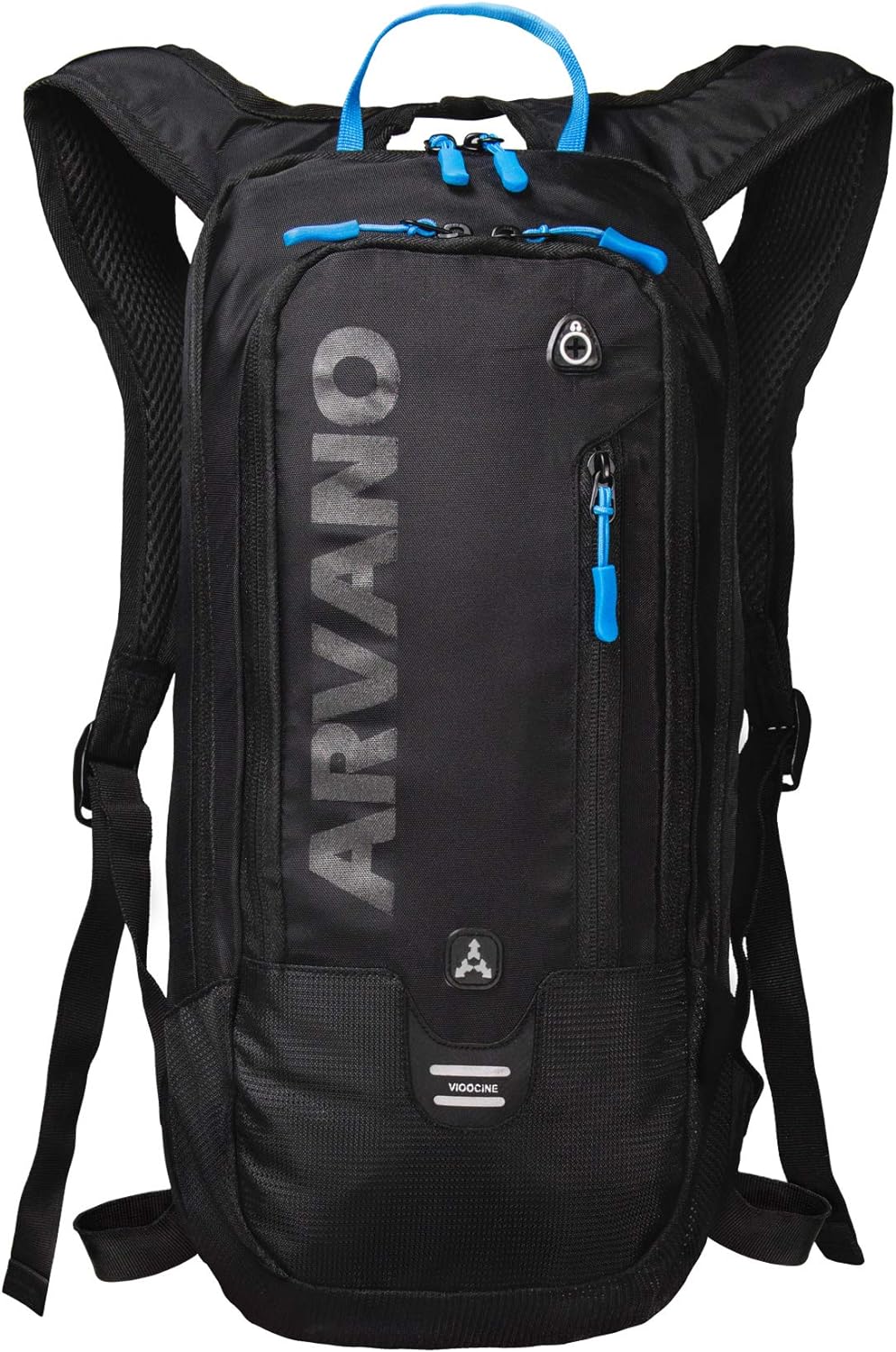
ARVANO
Budget-conscious riders on smooth, short trails
On this page
If you are tired of a pack that bounces on descents or chafes on long climbs, this guide is for you. We compared the best fitting mountain bike hydration packs based on manufacturer specifications and defined use cases, focusing on volume, weight, stability features like hip belts, and ventilation. Every pick is chosen to help you find a pack that stays put and keeps you hydrated, whether you are racing or exploring backcountry trails. For a broader look at carrying water on the trail, see our hydration pack vs water bottles comparison.
Comparison at a glance
Key specs · full specs in each pick| Model | Volume | Weight | Hip Belt | Water Resistance | Link |
|---|---|---|---|---|---|
|
2401001000P
|
14 L | 0.26 lb | Yes | - | View on Amazon |
|
B0F2T9LLGV
|
22 L | - | - | - | View on Amazon |
|
10007259
|
12 L | 1.41 lb | Yes | water-resistant | View on Amazon |
|
B0GHF7HG48
|
8 L | 0.67 lb | - | - | View on Amazon |
|
9006
|
12 L | 1.28 lb | - | waterproof | View on Amazon |
|
10007269
|
8 L | 1.27 lb | Yes | - | View on Amazon |
|
2245001000P
|
12 L | 1.83 lb | Yes | - | View on Amazon |
|
2947001000P
|
4 L | 0.613 lb | - | - | View on Amazon |
|
3203804
|
8 L | 1.21 lb | - | - | View on Amazon |
|
B0DR31854H
|
3 L | 0.915 lb | - | water-resistant | View on Amazon |
|
2654001000P
|
3 L | 1.3 lb | Yes | - | View on Amazon |
|
10006652
|
10 L | 2.09 lb | Yes | - | View on Amazon |
|
B07P2CYQS6
|
6 L | 1.1 lb | - | - | View on Amazon |
Best for: Riders who want a lightweight, stable pack for all-day trail riding
The CamelBak M.U.L.E. Pro 14 2401001000P combines a 14 L capacity with an incredibly light 0.26 lb weight, making it feel almost unnoticeable on your back. The included hip belt and ventilated Air Support Pro back panel help keep the pack stable and cool during aggressive trail riding. Its integrated tool roll and smart storage organization mean you can carry ride essentials without bulk. Compared to other packs, it offers the best balance of cargo space and minimal weight, which is why it is our top overall pick for mountain bikers who want a pack that disappears on the trail.
Pros
- Extremely lightweight at 0.26 lb
- Ventilated back panel for hot rides
- Hip belt adds stability on rough terrain
- Integrated tool organization
Cons
- Limited weather protection (no rain cover listed)
- Not the largest capacity for all-day gear
Best for: Hikers and bikers needing maximum storage space
If you need to carry a lot of gear, the NOOLA Hydration Backpack stands out with a 22 L capacity, the largest in this comparison. It includes a built-in rain cover and a 3L bladder, making it ready for full-day adventures in wet conditions. The pack is made from polyester and has multiple pockets for organization. However, it lacks a listed hip belt and its weight is not specified, so stability on technical mountain bike trails may be less assured than dedicated bike packs. It is a versatile choice for hikers and bikers who prioritize cargo space over a race-tuned fit.
Pros
- Massive 22 L for all-day gear
- Includes rain cover for wet weather
- Multiple pockets keep gear organized
Cons
- No hip belt listed for bike stability
- Weight unknown, may feel bulky
Best for: Multi-day mountain bike trips with technical terrain
The Osprey Raptor LT 12 10007259 is built for riders who tackle long backcountry rides and need reliable gear organization. Its 12 L capacity and 1.41 lb weight strike a balance between storage and carry comfort. The bike-specific winged shoulder harness and airmesh hip belt provide excellent stability, while the water-resistant nylon construction helps protect your gear from light rain. A dedicated tool roll and helmet attachment make it a favorite for multi-day trips. Compared to the lighter CamelBak M.U.L.E. Pro 14 2401001000P, it offers more trail-specific features at a slight weight penalty.
Pros
- Stable bike-specific harness and hip belt
- Water-resistant nylon for weather protection
- Tool roll and helmet carry for long rides
Cons
- Heavier than the lightest packs
- No rain cover included
Full specifications (5)
- Volume
- 12 L
- Weight
- 1.41 lb
- Hip Belt
- Yes
- Water Resistance
- water-resistant
- Material
- nylon
Specs: Amazon listing
Best for: Short, casual rides where minimal weight matters
The N NEVO RHINO Hydration Backpack is a compact and lightweight option at 8 L and 0.67 lb. Its nylon construction and breathable mesh back panel aim for comfort on shorter rides. The included 1.5L bladder is smaller than most, so it is best for quick outings rather than all-day epics. Without a listed hip belt, stability on rough terrain may be limited. It is a budget-friendly choice for casual cyclists who want a simple, no-frills hydration pack.
Pros
- Very light at 0.67 lb
- Breathable mesh back panel
- Compact size for short rides
Cons
- Small 1.5L bladder capacity
- No hip belt for stability
- Limited storage for extra gear
Best for: Riders who often encounter wet weather and need waterproof storage
The NNEVORHINO 9006 offers a 12 L capacity and a waterproof nylon shell, making it a durable choice for wet conditions. At 1.28 lb, it is reasonably light for its size. The pack includes a 2L bladder and multiple storage pockets, including shoulder-strap pouches for quick access. However, the lack of a hip belt may cause bouncing on technical trails. It is a versatile pack for hiking and casual mountain biking where waterproofing is a priority.
Pros
- Waterproof nylon for rain protection
- Good storage for its weight
- Shoulder pockets for phone and keys
Cons
- No hip belt for stability
- Bladder only 2L
Full specifications (4)
- Volume
- 12 L
- Weight
- 1.28 lb
- Water Resistance
- waterproof
- Material
- nylon
Specs: Amazon listing
Best for: Mid-distance trail rides with a focus on ventilation
The Osprey Berm 10007269 is a lightweight bike pack with a 8 L capacity and a removable hip belt for added stability. Its polyester construction and AirScape back panel provide ventilation and a close-to-body fit. The included 2.5L reservoir and magnetic bite valve make hydration easy. While the volume is modest, the front shove-it pocket and internal tool organization keep essentials accessible. It is a solid choice for mid-distance rides where you want a stable, breathable pack without excess bulk.
Pros
- Removable hip belt for optional stability
- Ventilated AirScape back panel
- Magnetic bite valve for easy drinking
Cons
- Small 8L capacity limits gear
- No rain cover listed
Best for: Riders who want a stable, well-ventilated pack for all-day trail riding
The CamelBak M.U.L.E. 2245001000P is a classic mountain bike pack with a 12 L capacity and a stable, bike-specific design. At 1.83 lb, it is heavier than some competitors, but the ventilated Air Director back panel and removable stability belt help manage heat and movement on rough trails. The 3L Crux reservoir provides ample water for long rides. Its compact profile stays close to the body for confident handling. Compared to the CamelBak M.U.L.E. Pro 14 2401001000P, it offers similar storage but adds a bit more weight for a more cushioned carry.
Pros
- Stable fit with removable hip belt
- Ventilated back panel for cooling
- Large 3L reservoir
Cons
- Heavier than many 12L packs
- No rain cover or water resistance listed
Best for: Cross-country races and fast, short rides
For minimalist riders and racers, the CamelBak Chase Race 4 2947001000P is a featherlight vest-style pack with just 4 L of storage and a 0.613 lb weight. The 3D Grid Mesh harness and dual sternum straps provide a secure, bounce-free fit at high speeds. It includes a 1.5L bladder and integrated tool organization for on-the-go repairs. This pack is all about speed and accessibility, not cargo capacity. It is ideal for short, intense rides where every gram counts.
Pros
- Ultra-light at 0.613 lb
- Race-fit harness stays put
- Quick-access pockets for fuel and tools
Cons
- Minimal storage for extra layers
- No hip belt, but vest design compensates
Best for: Multi-sport use where hands-free hydration is key
The Thule UpTake 3203804 features a clever magnetic ReTrakt hose system for hands-free hydration, a standout convenience. With 8 L of storage and a 1.21 lb weight, it is a versatile pack for biking, hiking, or skiing. The nylon construction and perforated foam back panel aim for comfort. However, the lack of a hip belt may reduce stability on technical trails. It is a solid all-around pack for riders who value the magnetic hose return and a clean, simple design.
Pros
- Magnetic hose return for easy drinking
- Lightweight and versatile
- Perforated back panel for airflow
Cons
- No hip belt for rough terrain
- Only 2.5L bladder included
Best for: Aggressive trail and enduro riding where pack movement is unacceptable
The USWE Airborne Limited Race Edition uses a patented NDM 4-point Race Harness System for a claimed bounce-free fit, making it a top choice for enduro and aggressive trail riding. Its 3 L capacity is minimal, but the 0.915 lb weight and water-resistant nylon shell keep it light and protective. The pack includes a 2L bladder and a water-resistant phone pocket. It is designed for riders who want a barely-there pack that stays locked in place during high-speed descents.
Pros
- Bounce-free harness system
- Very light at 0.915 lb
- Water-resistant material
Cons
- Tiny 3L storage for gear
- No hip belt (harness replaces it)
Full specifications (4)
- Volume
- 3 L
- Weight
- 0.915 lb
- Water Resistance
- water-resistant
- Material
- nylon
Specs: Amazon listing
Best for: Riders who prioritize hydration and fit over cargo capacity
The CamelBak M.U.L.E. 12 2654001000P is a compact hydration pack with a 3 L capacity, yet it includes a hip belt and 4 compartments for organization. At 1.3 lb, it is not the lightest, but the Air Support back panel and magnetic tube management add comfort and convenience. The 3L Crux reservoir keeps you hydrated on long rides. It is a good option for riders who want a small pack with a stable, ergonomic fit and do not need to carry much beyond water and tools.
Pros
- Hip belt for stability
- Ventilated back panel
- Magnetic tube management
Cons
- Very limited cargo space at 3L
- Heavier than some larger packs
Full specifications (4)
- Volume
- 3 L
- Weight
- 1.3 lb
- Hip Belt
- Yes
- Number of Compartments
- 4
Specs: Amazon listing
Best for: All-day mountain bike rides where stability and organization are paramount
The Osprey Raptor 10006652 is Osprey's flagship mountain bike pack, offering a 10 L capacity and a full feature set. At 2.09 lb, it is the heaviest in this comparison, but the winged shoulder harness and airmesh hip belt provide exceptional stability. The nylon construction, tool roll, and helmet carry make it ready for all-day epics. The included 2.5L reservoir and stretch mesh front pocket add convenience. It is best for riders who need a durable, feature-rich pack and do not mind the extra weight.
Pros
- Excellent stability with winged harness
- Durable nylon build
- Tool roll and helmet carry
Cons
- Heaviest pack at 2.09 lb
- No rain cover included
Best for: Budget-conscious riders on smooth, short trails
The ARVANO is a slim, lightweight pack at 6 L and 1.1 lb. It is designed to fit a 2L bladder (not included) and has a compact profile that reduces wind resistance. Without a listed hip belt or advanced harness, it is best suited for smooth trails and short rides. The simple design keeps the price low, making it an entry-level option for casual cyclists.
Pros
- Lightweight and slim
- Compact profile for minimal drag
- Affordable entry-level pack
Cons
- Bladder not included
- No hip belt for stability
- Limited storage
How to choose
Volume: How much gear do you need to carry?
Mountain bike hydration packs range from minimalist 3-liter race vests to spacious 22-liter haulers. For short, fast rides, a pack like the CamelBak Chase Race 4 2947001000P with 4 L keeps weight and bulk to a minimum. All-day trail rides typically benefit from 8–14 liters, giving you room for tools, food, and a layer. The CamelBak M.U.L.E. Pro 14 2401001000P hits a sweet spot at 14 L. If you often carry extra gear or ride in changing weather, a larger pack such as the NOOLA Hydration Backpack with 22 L may be worth the extra size. For a broader look at pack sizes, see our daypack vs backpacking pack comparison.
Weight: Light and fast or cushioned and stable?
Weight matters when you are pedaling for hours. The lightest pack here is the CamelBak M.U.L.E. Pro 14 2401001000P at just 0.26 lb, while the feature-rich Osprey Raptor 10006652 weighs 2.09 lb. A lighter pack reduces fatigue, but often means fewer pockets and less padding. Heavier packs usually add more structure, hip belts, and durable materials. Think about your typical ride length and how much you value a barely-there feel versus cushioned stability.
Fit and harness: The key to a bounce-free ride
A pack that shifts around on descents is distracting and can throw off your balance. Look for bike-specific harnesses that wrap the shoulders and a sternum strap to keep everything in place. The USWE Airborne Limited Race Edition uses a patented 4-point race harness for a claimed bounce-free fit, while the Osprey Raptor LT 12 10007259 has a winged shoulder harness and airmesh hip belt. A removable hip belt, like the one on the Osprey Berm 10007269, lets you add stability when you need it. For more on how pack structure affects carry comfort, see our frameless vs framed backpack guide.
Weather protection: Keeping your gear dry
Sudden rain or muddy trails can soak your gear. Some packs, like the NNEVORHINO 9006, use a waterproof nylon shell. Others include a rain cover, such as the NOOLA Hydration Backpack with its built-in cover. If your pack is not fully waterproof, a separate rain cover or dry bag for electronics is a smart backup. For a deeper dive into weather-ready packs, check out our internal frame vs external frame backpack comparison, which also covers water resistance.
Hydration capacity: How much water is enough?
Most mountain bike hydration packs come with a reservoir between 1.5 and 3 liters. A 2- to 3-liter bladder is enough for a few hours of riding. The CamelBak M.U.L.E. Pro 14 2401001000P and CamelBak M.U.L.E. 2245001000P include a 3-liter reservoir, while the N NEVO RHINO Hydration Backpack comes with a smaller 1.5-liter bladder. Consider how far you ride between refill stops and whether you prefer a bite valve with a magnetic clip for easy access.
Frequently asked questions
What size hydration pack is best for mountain biking?
The right size depends on your ride length and gear needs. For short rides under two hours, a pack with 3–8 liters is usually enough for water, tools, and a snack. All-day epics often call for 10–14 liters to carry extra layers, food, and a pump. The NOOLA Hydration Backpack offers a full 22 L for maximum cargo, while the CamelBak Chase Race 4 2947001000P keeps it minimal at 4 L.
Do I need a hip belt on a mountain bike hydration pack?
A hip belt helps keep the pack from bouncing on rough trails. Packs like the CamelBak M.U.L.E. Pro 14 2401001000P and Osprey Raptor LT 12 10007259 include a hip belt for added stability. Some riders prefer a vest-style harness, like the one on the USWE Airborne Limited Race Edition, which can provide a secure fit without a traditional belt.
How do I clean a hydration bladder?
Rinse the bladder and tube with warm water and mild soap after each use. For a deeper clean, use a bladder cleaning kit or a mixture of water and baking soda. Always let the bladder dry completely before storing to prevent mold.
What should I pack in my hydration pack for a long ride?
For a long ride, pack a multi-tool, spare tube, tire levers, a mini pump or CO₂ inflator, snacks, a phone, and an extra layer. A small first aid kit is also wise. For a more complete checklist, see our 10 essentials for hiking guide.
Can I use my phone for navigation while riding?
Yes, many riders use a phone for navigation. A pack with a quick-access phone pocket, like the CamelBak Chase Race 4 2947001000P, makes it easy to check your route. For reliable offline maps and trail data, check out our best hiking apps with offline maps comparison.
Bottom line
For most mountain bikers, the CamelBak M.U.L.E. Pro 14 2401001000P offers the best blend of low weight and stability. If you need maximum cargo space, the NOOLA Hydration Backpack is the top choice. Riders tackling multi-day backcountry trips will appreciate the Osprey Raptor LT 12 10007259's trail-specific features. And for racers, the CamelBak Chase Race 4 2947001000P is hard to beat.
Related articles
-
Best Trowel for Backpacking
Find the best trowel for backpacking. We compare specs like weight and material to help you choose a lightweight, durable cathole tool for the trail.
Nov 9, 2026
-
Best Sit Pad for Hiking
Find the best sit pad for hiking. We compared specs like weight and water resistance to help you choose a comfortable, packable seat for the trail.
Nov 9, 2026
-
Best Hiking Umbrella
Find the best hiking umbrella for your next trip. Compare top picks based on weight, coverage, and hands-free features. Choose the right umbrella for day hikes and backpacking.
Nov 9, 2026
-
Best Gaiters for Hiking
Find the best gaiters for hiking. We compare specs like weight and water resistance to help you choose the right pair for day hikes, backpacking, and wet conditions.
Nov 9, 2026