Pitch & Pack
Quick answer
For backpackers who need to save weight and space, Sea to Summit SS23 is the top pick. It weighs just 0.18 lb and compresses bulky gear by two-thirds. If you need a waterproof option for wet conditions, consider M-Tac 10324002.
Our top picks
 Best overall
Sea to Summit SS23
Ultralight backpacking and multi-day trips
 #2 pick
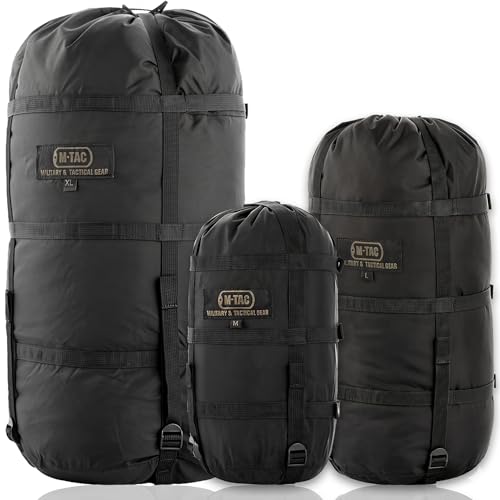
M-Tac 10324002
Wet or rainy conditions and heavy gear
On this page
If you're a backpacker or traveler looking to maximize pack space, a compression sack is essential. The best compression sacks reduce the volume of bulky items like sleeping bags and clothing, making them easier to fit in your backpack. When choosing, consider weight, volume, water resistance, and material. We compared the specifications of top models to help you find the right one for your trips. For keeping your gear dry, also check out our guide to the best pack liner.
Comparison at a glance
| Model | Volume | Weight | Water Resistance | Material | Link |
|---|---|---|---|---|---|
|
SS23
|
13 L | 0.18 lb | water-resistant | nylon | View on Amazon |
|
10324002
|
12 L | 0.421 lb | waterproof | nylon | View on Amazon |
Best for: Ultralight backpacking and multi-day trips
The Sea to Summit SS23 is an ultra-lightweight compression sack designed for backpackers who count every ounce. It has a 13 L capacity and weighs only 0.18 lb, making it the lightest option we compared. The nylon construction with a non-PFC DWR finish provides water-resistant protection. Three compression straps with a flip-top lid allow even compression without tangled straps. On paper, this sack offers the best balance of low weight and adequate volume for multi-day backpacking. It compresses bulky gear by up to two-thirds, freeing up space in your pack.
Pros
- Weighs 0.18 lb
- Water-resistant coating
- Three compression straps for even compression
- Attached flip-top lid prevents tangling
Cons
- Not fully waterproof
- Smaller volume than some alternatives
Full specifications (4)
- Volume
- 13 L
- Weight
- 0.18 lb
- Water Resistance
- water-resistant
- Material
- nylon
Specs: Amazon listing
Best for: Wet or rainy conditions and heavy gear
The M-Tac 10324002 is a military-style compression sack built for durability and weather protection. It offers a 12 L capacity and is made of nylon with a waterproof coating to keep contents dry in rain. At 0.421 lb, it is heavier than the top pick, but its rugged construction suits harsher conditions. The cylindrical shape fits bulky sleeping bags and tents. It is a solid choice for those who prioritize waterproofing over weight savings.
Pros
- Fully waterproof
- Durable military-grade nylon
- Large 12 L capacity
Cons
- Heavier at 0.421 lb
- Less compressible than lighter sacks
Full specifications (4)
- Volume
- 12 L
- Weight
- 0.421 lb
- Water Resistance
- waterproof
- Material
- nylon
Specs: Amazon listing
How to choose
Volume and capacity
How much volume do you need? Compression sacks come in various sizes, typically measured in liters. For a sleeping bag, a 10 to 15 liter sack is common. The Sea to Summit SS23 offers 13 L, while the M-Tac 10324002 provides 12 L. Consider the bulk of your gear: a larger sack can hold more but may not compress as tightly. For multi-day trips, a 12 to 13 liter sack is a good middle ground. For day hikes, a packable daypack can complement a compression sack.
Weight and packability
Weight matters for backpackers. The lightest compression sacks, like the Sea to Summit SS23 at 0.18 lb, save ounces that add up over miles. Heavier sacks, such as the M-Tac 10324002 at 0.421 lb, offer more durability and waterproofing. If you're counting grams, go with an ultralight model. For car camping or short hikes, a heavier sack is fine. Pair with a lightweight ultralight daypack for maximum weight savings.
Water resistance and material
Water resistance is key for keeping gear dry. Some sacks are water-resistant with a DWR finish, while others are fully waterproof with a coated fabric. The Sea to Summit SS23 is water-resistant, suitable for light rain. The M-Tac 10324002 is waterproof, ideal for wet conditions. Material also affects durability: nylon is common, with denier ratings indicating strength. For heavy use, look for reinforced seams and robust fabrics. For full waterproofing, consider a waterproof hiking backpack as well.
Compression mechanism
How a sack compresses affects ease of use. Most use straps with buckles to cinch down the load. Look for designs that compress evenly without bunching. The Sea to Summit SS23 features three straps with a flip-top lid to prevent tangling. Some sacks have side-release buckles for quick adjustment. A reinforced pull handle can help when pulling the sack from a tight pack.
Frequently asked questions
How do compression sacks work?
Compression sacks use straps or cords to squeeze the air out of bulky items like sleeping bags and clothing, reducing their volume. You place the item inside, roll the top closed, and tighten the straps to compress the load. This frees up space in your backpack for other gear.
Are compression sacks waterproof?
Not all compression sacks are waterproof. Some are water-resistant, meaning they can handle light rain, while others are fully waterproof with a sealed coating. Check the specifications: the Sea to Summit SS23 is water-resistant, and the M-Tac 10324002 is waterproof. For wet conditions, choose a waterproof model or use a dry bag inside. For hydration, check out the best hydration bladder for backpacking.
What size compression sack do I need for a sleeping bag?
Most sleeping bags require a 10 to 15 liter compression sack. A 13 liter sack like the Sea to Summit SS23 fits a standard mummy bag. For larger bags, consider a 15 to 20 liter sack. Measure your sleeping bag's uncompressed volume and choose a sack slightly smaller to allow compression.
Can I use a compression sack for clothes?
Yes, compression sacks work well for clothing, especially bulky items like jackets and sweaters. They help save space in your pack. However, avoid over-compressing delicate fabrics. Use a larger sack for multiple items or a smaller one for a single jacket.
Bottom line
For ultralight backpackers who need to save every ounce, the Sea to Summit SS23 is the clear choice with its 0.18 lb weight and 13 L capacity. If you hike in wet conditions and need a waterproof, durable sack for heavy gear, the M-Tac 10324002 offers reliable protection. Both sacks serve different needs, so choose based on your priorities for weight versus weather resistance. For keeping hydrated, see the best hydration pack for hiking.
Related articles
-
Best Trowel for Backpacking
Find the best trowel for backpacking. We compare specs like weight and material to help you choose a lightweight, durable cathole tool for the trail.
Nov 9, 2026
-
Best Sit Pad for Hiking
Find the best sit pad for hiking. We compared specs like weight and water resistance to help you choose a comfortable, packable seat for the trail.
Nov 9, 2026
-
Best Hiking Umbrella
Find the best hiking umbrella for your next trip. Compare top picks based on weight, coverage, and hands-free features. Choose the right umbrella for day hikes and backpacking.
Nov 9, 2026
-
Best Gaiters for Hiking
Find the best gaiters for hiking. We compare specs like weight and water resistance to help you choose the right pair for day hikes, backpacking, and wet conditions.
Nov 9, 2026