Pitch & Pack
Quick answer
The best backpack for mountaineering is the LibSkyln 70L/100L Camping Hiking Backpack, with a 100 L capacity and 2.87 lb weight. It suits climbers who need expandable storage. For wet conditions, consider the Maelstrom Mshb03.
Our top picks
 Best overall
LibSkyln 70L/100L Camping Hiking Backpack
Multi-day climbs with variable gear loads
 Top number of compartments
Teton Scout 3400 Backpack
Organized multi-day mountaineering trips
 Top volume
Ogetok DEHW-NEW 80LBeiBao
Expedition mountaineering with heavy gear
 Best for wet or rainy conditions
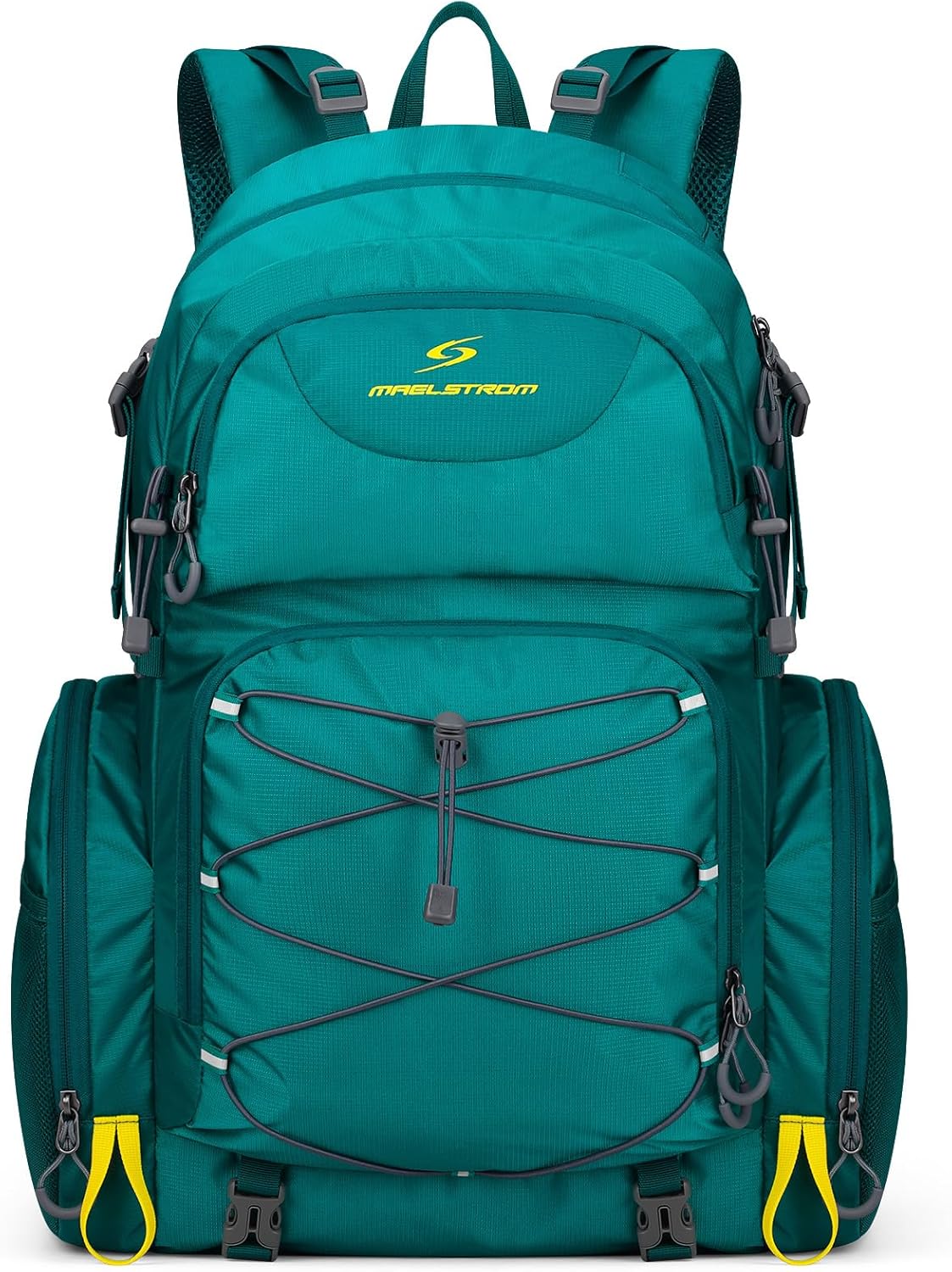
Maelstrom Mshb03
Day climbs in wet or rainy conditions
 #5 pick
LHI Lhi45l
Technical climbs requiring modular gear storage
 #6 pick
Naturehike NH19BP095
Multi-day mountaineering with moderate gear
 Best for multi-day backpacking
ALPS Mountaineering Canyon 6053011
Day climbs and summit bids
 #8 pick
SUIKIHUM Bag
Minimalist day climbs and backup pack
 Lowest weight
Eddie Bauer Stowaway Packable Backpack
Fast-and-light alpine ascents
 #10 pick
Osprey Mutant 10004559
Technical alpine climbing with rope and tools
 #11 pick
MOUNTAINTOP 35L Hiking Backpack
Day climbs with frequent gear access
 #12 pick
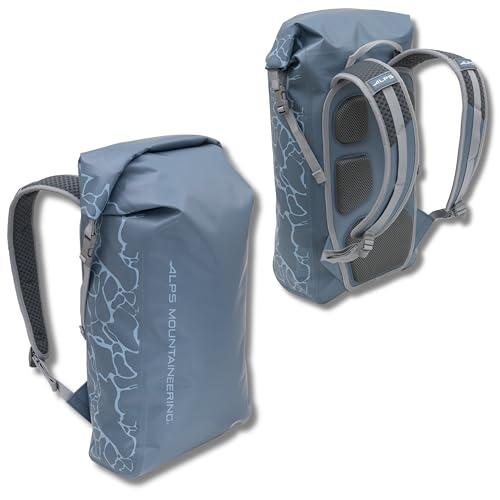
ALPS Mountaineering 7465077
Mountaineering in wet or aquatic environments
 #13 pick
Loowoko Hiking Backpack
Multi-day mountaineering with moderate loads
On this page
Choosing the best backpack for mountaineering means balancing capacity, weight, and weather protection. Whether you need a pack for a day climb or a multi-day expedition, the right choice depends on how much gear you carry and the conditions you face. We compared manufacturer specifications for volume, weight, compartments, and weather resistance to help you find the right pack for your next ascent.
Comparison at a glance
Key specs · full specs in each pick| Model | Volume | Weight | Hip Belt | Water Resistance | Link |
|---|---|---|---|---|---|
|
100l Hiking Backpack-black Cp
|
100 L | 2.87 lb | - | - | View on Amazon |
|
Scout 3400 Backpack
|
55 L | 4.1 lb | - | water-resistant | View on Amazon |
|
DEHW-NEW 80LBeiBao
|
100 L | 3.307 lb | - | waterproof | View on Amazon |
|
Mshb03
|
40 L | 1.96 lb | - | waterproof | View on Amazon |
|
Lhi45l
|
45 L | 2.87 lb | - | - | View on Amazon |
|
NH19BP095
|
65 L | 2.56 lb | - | water-resistant | View on Amazon |
|
6053011
|
20 L | 1.3 lb | Yes | - | View on Amazon |
|
Bag
|
20 L | 0.5 lb | - | water-resistant | View on Amazon |
|
EBB3001-316
|
20 L | 0.3 lb | Yes | water-resistant | View on Amazon |
|
10004559
|
22 L | 1.43 lb | Yes | - | View on Amazon |
|
B0FP889DN6
|
35 L | 1.75 lb | - | - | View on Amazon |
|
7465077
|
40 L | 2.13 lb | - | waterproof | View on Amazon |
|
B07FLLJ1GR
|
50 L | 2.8 lb | - | - | View on Amazon |
Best for: Multi-day climbs with variable gear loads
The LibSkyln 70L/100L Camping Hiking Backpack is our top pick for the best backpack for mountaineering. It offers a 100 L capacity that expands from 70L via a bottom zipper, giving you room for a tent, sleeping bag, and climbing gear. The 2.87 lb weight keeps the pack manageable on the trail. Made from nylon, it includes a rain cover for unexpected weather. The MOLLE webbing lets you attach extra pouches or tools. This pack suits climbers who need a single bag for both approach hikes and summit pushes.
Pros
- Expandable 70L to 100L capacity
- Lightweight at 2.87 lb
- Includes rain cover
- MOLLE webbing for attachments
Cons
- No hip belt listed
- Water resistance not specified
Best for: Organized multi-day mountaineering trips
The Teton Scout 3400 Backpack stands out for its 7 compartments, making it easy to organize gear for a mountaineering trip. With a 55 L capacity, it fits a sleeping bag, food, and layers for a weekend climb. The 4.1 lb weight is heavier than some options, but the internal frame helps distribute the load. It is water-resistant and includes a rain cover. This pack works well for climbers who prioritize organization over ultralight weight.
Pros
- 7 compartments for organization
- Internal frame for load support
- Water-resistant with rain cover
Cons
- Heavier at 4.1 lb
- No hip belt listed
Full specifications (6)
- Volume
- 55 L
- Weight
- 4.1 lb
- Water Resistance
- water-resistant
- Rain Cover
- Yes
- Number of Compartments
- 7
- Material
- polyester
Specs: Amazon listing
Best for: Expedition mountaineering with heavy gear
The Ogetok DEHW-NEW 80LBeiBao offers a 100 L capacity, matching the top volume among our picks. It is made from polyester and is waterproof, so your gear stays dry in rain or snow. The 3.307 lb weight is reasonable for its size. The MOLLE system allows for external attachments like ice axes or carabiners. This pack suits mountaineers who need maximum space for expedition-length trips.
Pros
- 100L capacity for large loads
- Waterproof construction
- MOLLE system for gear attachment
Cons
- No rain cover listed
- No hip belt listed
Full specifications (4)
- Volume
- 100 L
- Weight
- 3.307 lb
- Water Resistance
- waterproof
- Material
- polyester
Specs: Amazon listing
Best for: Day climbs in wet or rainy conditions
The Maelstrom Mshb03 is the best backpack for mountaineering in wet or rainy conditions. It is waterproof and includes a rain cover for extra protection. With a 40 L capacity and 1.96 lb weight, it is light enough for day climbs. The 4 compartments keep essentials organized. Made from nylon, it resists tears and abrasion. This pack is ideal for alpine starts and summit bids in unpredictable weather.
Pros
- Waterproof construction
- Lightweight at 1.96 lb
- Includes rain cover
- 4 compartments for organization
Cons
- 40L capacity limits gear for multi-day trips
- No hip belt listed
Full specifications (6)
- Volume
- 40 L
- Weight
- 1.96 lb
- Water Resistance
- waterproof
- Rain Cover
- Yes
- Number of Compartments
- 4
- Material
- nylon
Specs: Amazon listing
Best for: Technical climbs requiring modular gear storage
The LHI Lhi45l is a tactical-style pack with a 45 L capacity and 2.87 lb weight. It has 5 compartments for organizing climbing gear, layers, and food. The MOLLE system allows you to attach extra pouches or tools. Made from polyester, it is durable for rocky terrain. This pack suits mountaineers who want a modular system for technical routes.
Pros
- 5 compartments for gear organization
- MOLLE system for modular attachments
- Durable polyester construction
Cons
- No rain cover listed
- No hip belt listed
Full specifications (4)
- Volume
- 45 L
- Weight
- 2.87 lb
- Number of Compartments
- 5
- Material
- polyester
Specs: Amazon listing
Best for: Multi-day mountaineering with moderate gear
The Naturehike NH19BP095 offers a 65 L capacity with a 2.56 lb weight, making it a solid choice for multi-day mountaineering. It is water-resistant and includes a rain cover. The internal frame supports heavy loads. With 2 compartments, it keeps gear organized. Made from nylon, it balances durability and weight. This pack works well for climbers who need a reliable all-rounder.
Pros
- 65L capacity for multi-day trips
- Lightweight at 2.56 lb
- Includes rain cover
- Internal frame for load support
Cons
- Only 2 compartments
- No hip belt listed
Full specifications (6)
- Volume
- 65 L
- Weight
- 2.56 lb
- Water Resistance
- water-resistant
- Rain Cover
- Yes
- Number of Compartments
- 2
- Material
- nylon
Specs: Amazon listing
Best for: Day climbs and summit bids
The ALPS Mountaineering Canyon 6053011 is a compact pack with a 20 L capacity and 1.3 lb weight. It includes a rain cover and a removable hip belt for stability on technical terrain. Made from nylon, it is durable for alpine use. This pack suits climbers who need a lightweight option for short approaches or summit bids.
Pros
- Lightweight at 1.3 lb
- Includes rain cover
- Removable hip belt for stability
Cons
- 20L capacity limits gear
- No compartments listed
Full specifications (5)
- Volume
- 20 L
- Weight
- 1.3 lb
- Hip Belt
- Yes
- Rain Cover
- Yes
- Material
- nylon
Specs: Amazon listing
Best for: Minimalist day climbs and backup pack
The SUIKIHUM Bag is an ultralight pack with a 20 L capacity and 0.5 lb weight. It is water-resistant and folds into a small pouch for easy storage. Made from nylon, it is durable enough for rocky trails. This pack is best as a backup or for minimalist day climbs where every ounce matters.
Pros
- Ultralight at 0.5 lb
- Folds into a small pouch
- Water-resistant nylon
Cons
- 20L capacity limits gear
- No hip belt or rain cover
Full specifications (4)
- Volume
- 20 L
- Weight
- 0.5 lb
- Water Resistance
- water-resistant
- Material
- nylon
Specs: Amazon listing
Best for: Fast-and-light alpine ascents
The Eddie Bauer Stowaway Packable Backpack is the lightest pack in our lineup at 0.3 lb. It has a 20 L capacity and is water-resistant. The hip belt provides stability on uneven terrain. Made from polyester, it packs into its own pocket. This pack suits climbers who prioritize weight savings for fast-and-light ascents.
Pros
- Ultralight at 0.3 lb
- Packs into its own pocket
- Hip belt for stability
- Water-resistant
Cons
- 20L capacity limits gear
- Only 1 compartment
Full specifications (6)
- Volume
- 20 L
- Weight
- 0.3 lb
- Hip Belt
- Yes
- Water Resistance
- water-resistant
- Number of Compartments
- 1
- Material
- polyester
Specs: Amazon listing
Best for: Technical alpine climbing with rope and tools
The Osprey Mutant 10004559 is a climbing-specific pack with a 22 L capacity and 1.43 lb weight. It features dual tool loops, rope carry, and a snowshed backpanel. The removable hip belt with ice gear loops adds versatility. This pack is designed for technical mountaineering where you need to carry ice axes, crampons, and a rope.
Pros
- Alpine-specific features (tool loops, rope carry)
- Removable hip belt with ice gear loops
- Lightweight at 1.43 lb
Cons
- 22L capacity limits gear for multi-day trips
- No rain cover listed
Best for: Day climbs with frequent gear access
The MOUNTAINTOP 35L Hiking Backpack offers a 35 L capacity with a 1.75 lb weight. It includes a rain cover and has a front-facing zipper for quick access to the main compartment. The adjustable chest strap and waist belt help stabilize the load. This pack suits day climbs where you need quick access to layers or snacks.
Pros
- 35L capacity for day climbs
- Includes rain cover
- Quick-access front zipper
- Adjustable chest and waist straps
Cons
- No hip belt listed
- No water resistance listed
Best for: Mountaineering in wet or aquatic environments
The ALPS Mountaineering 7465077 is a waterproof roll-top pack with a 40 L capacity and 2.13 lb weight. It is designed for wet conditions with welded seams and a roll-top closure. The padded shoulder straps and breathable back panel add comfort. This pack suits mountaineers who face river crossings or persistent rain.
Pros
- Waterproof roll-top design
- Welded seams for durability
- Breathable back panel
Cons
- No hip belt listed
- No rain cover listed
Best for: Multi-day mountaineering with moderate loads
The Loowoko Hiking Backpack offers a 50 L capacity with a 2.8 lb weight. It includes a rain cover and breathable back support for comfort on long approaches. This pack suits multi-day mountaineering trips where you need a balance of capacity and weight.
Pros
- 50L capacity for multi-day trips
- Includes rain cover
- Breathable back support
Cons
- No hip belt listed
- No water resistance listed
How to choose
Volume: How much space do you need?
The volume of your mountaineering backpack determines how much gear you can carry. For day climbs, a pack between 20L and 40L is usually enough for layers, food, water, and a small first-aid kit. For multi-day trips, you will need 50L to 100L to fit a tent, sleeping bag, stove, and extra clothing. The LibSkyln 70L/100L Camping Hiking Backpack and Ogetok DEHW-NEW 80LBeiBao both offer 100L capacity, making them suitable for expeditions. Smaller packs like the ALPS Mountaineering Canyon 6053011 or Eddie Bauer Stowaway Packable Backpack are better for fast ascents where you travel light.
Weight: How much does the pack itself weigh?
A lighter pack reduces fatigue on long climbs and makes it easier to move quickly on technical terrain. Ultralight options like the Eddie Bauer Stowaway Packable Backpack at 0.3 lb are ideal for fast-and-light ascents. However, lighter packs often have fewer features, such as fewer compartments or no frame. Heavier packs like the Teton Scout 3400 Backpack at 4.1 lb offer more organization and support but add to your total load. Consider your trip length and how much gear you carry when choosing between weight and features.
Weather protection: Staying dry in alpine conditions
Mountaineering often involves rain, snow, or wet rock. A waterproof pack like the Maelstrom Mshb03 or ALPS Mountaineering 7465077 keeps your gear dry without needing a separate rain cover. Water-resistant packs with a rain cover, like the Teton Scout 3400 Backpack or Naturehike NH19BP095, offer good protection for most conditions. If you climb in persistent rain or cross streams, a waterproof roll-top design is the most reliable choice. For dry alpine environments, a water-resistant pack with a rain cover is usually sufficient.
Compartments and organization: Keeping gear accessible
Multiple compartments help you organize climbing gear, food, and layers so you can find items quickly. The Teton Scout 3400 Backpack has 7 compartments, making it easy to separate your ice axe from your lunch. Packs with fewer compartments, like the Naturehike NH19BP095 with 2, require more use of stuff sacks and pouches. For technical climbs where you need to access gear fast, a pack with several pockets and a quick-access main compartment is a good choice.
Special features: Tool loops, hip belts, and MOLLE systems
Mountaineering packs often include features for carrying technical gear. Tool loops and rope carry systems, like those on the Osprey Mutant 10004559, let you attach ice axes and a climbing rope securely. A hip belt transfers weight from your shoulders to your hips, improving comfort on long approaches. MOLLE webbing, found on the LibSkyln 70L/100L Camping Hiking Backpack and LHI Lhi45l, allows you to attach extra pouches for gear you need within reach. Choose features based on the type of climbing you do most often.
Frequently asked questions
What size backpack do I need for mountaineering?
For day climbs, a 20L to 40L pack is usually enough for layers, food, and water. For multi-day trips, you will need 50L to 100L to fit a tent, sleeping bag, and stove. The LibSkyln 70L/100L Camping Hiking Backpack offers 100L capacity for expeditions, while the Maelstrom Mshb03 at 40L works well for day climbs.
Should I get a waterproof backpack for mountaineering?
A waterproof pack is recommended if you climb in wet conditions or cross streams. The Maelstrom Mshb03 and ALPS Mountaineering 7465077 are both waterproof. For dry alpine environments, a water-resistant pack with a rain cover, like the Teton Scout 3400 Backpack, is usually sufficient.
How important is a hip belt for mountaineering?
A hip belt helps transfer the weight of your pack from your shoulders to your hips, reducing fatigue on long approaches. Packs like the ALPS Mountaineering Canyon 6053011 and Eddie Bauer Stowaway Packable Backpack include a hip belt. For short day climbs, a hip belt may not be necessary, but for multi-day trips, it improves comfort significantly.
Can I use a hiking backpack for mountaineering?
Yes, but look for features like tool loops, a rain cover, and durable materials. Mountaineering packs like the Osprey Mutant 10004559 are designed for carrying ice axes and ropes. A general hiking pack may lack these features, so check the specifications before taking it on technical terrain.
What is the lightest backpack for mountaineering?
The Eddie Bauer Stowaway Packable Backpack is the lightest pack in our lineup at 0.3 lb. It is ideal for fast-and-light ascents where every ounce matters. For a balance of weight and features, the ALPS Mountaineering Canyon 6053011 at 1.3 lb is also a good option for day climbs.
Bottom line
For most mountaineers, the LibSkyln 70L/100L Camping Hiking Backpack offers the best balance of expandable capacity and low weight. If you climb in wet conditions, the Maelstrom Mshb03 is the best backpack for mountaineering in rain or snow. For technical alpine routes, the Osprey Mutant 10004559 provides the specific features you need. Choose the pack that matches your trip length and the conditions you face.
Related articles
-
Best Trowel for Backpacking
Find the best trowel for backpacking. We compare specs like weight and material to help you choose a lightweight, durable cathole tool for the trail.
Nov 9, 2026
-
Best Sit Pad for Hiking
Find the best sit pad for hiking. We compared specs like weight and water resistance to help you choose a comfortable, packable seat for the trail.
Nov 9, 2026
-
Best Hiking Umbrella
Find the best hiking umbrella for your next trip. Compare top picks based on weight, coverage, and hands-free features. Choose the right umbrella for day hikes and backpacking.
Nov 9, 2026
-
Best Gaiters for Hiking
Find the best gaiters for hiking. We compare specs like weight and water resistance to help you choose the right pair for day hikes, backpacking, and wet conditions.
Nov 9, 2026